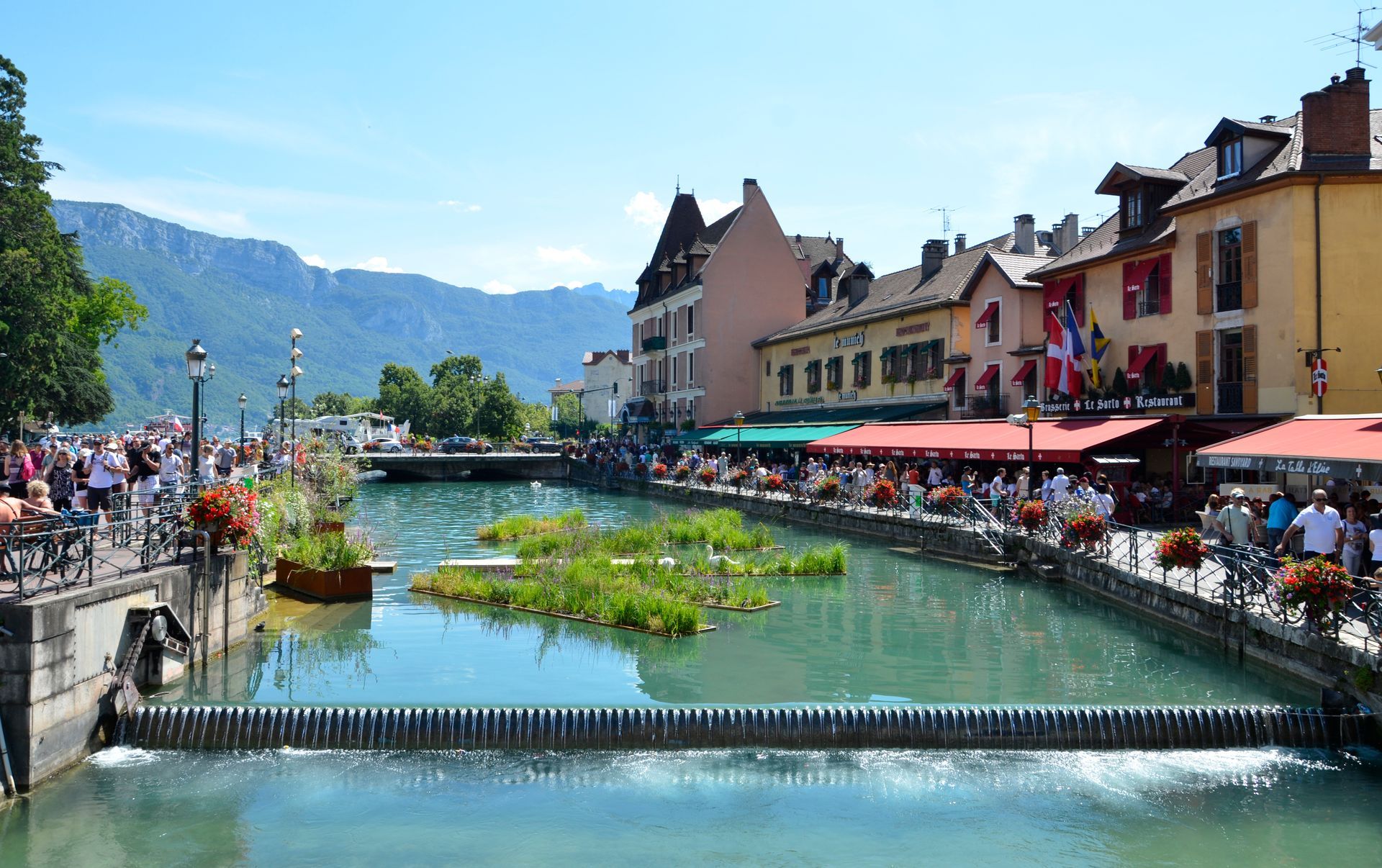


China
Discovering China means encountering a culture that is thousands of years old. Coming from France, after a journey of several hours, you might imagine that the country you are about to visit will be exactly what you've seen on TV, in the media, or in documentaries. But once you arrive, you'll realize that there's much more than you expected.
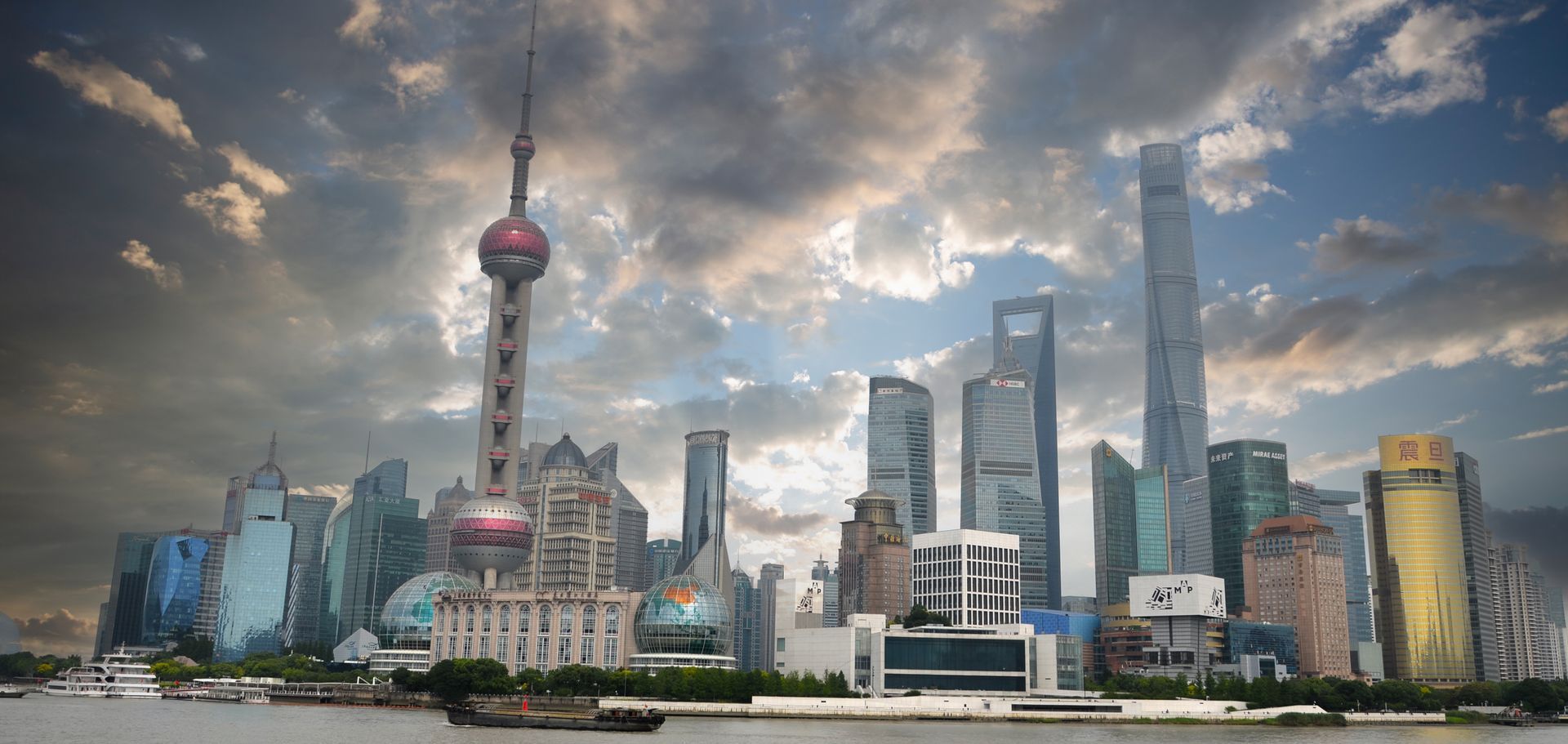
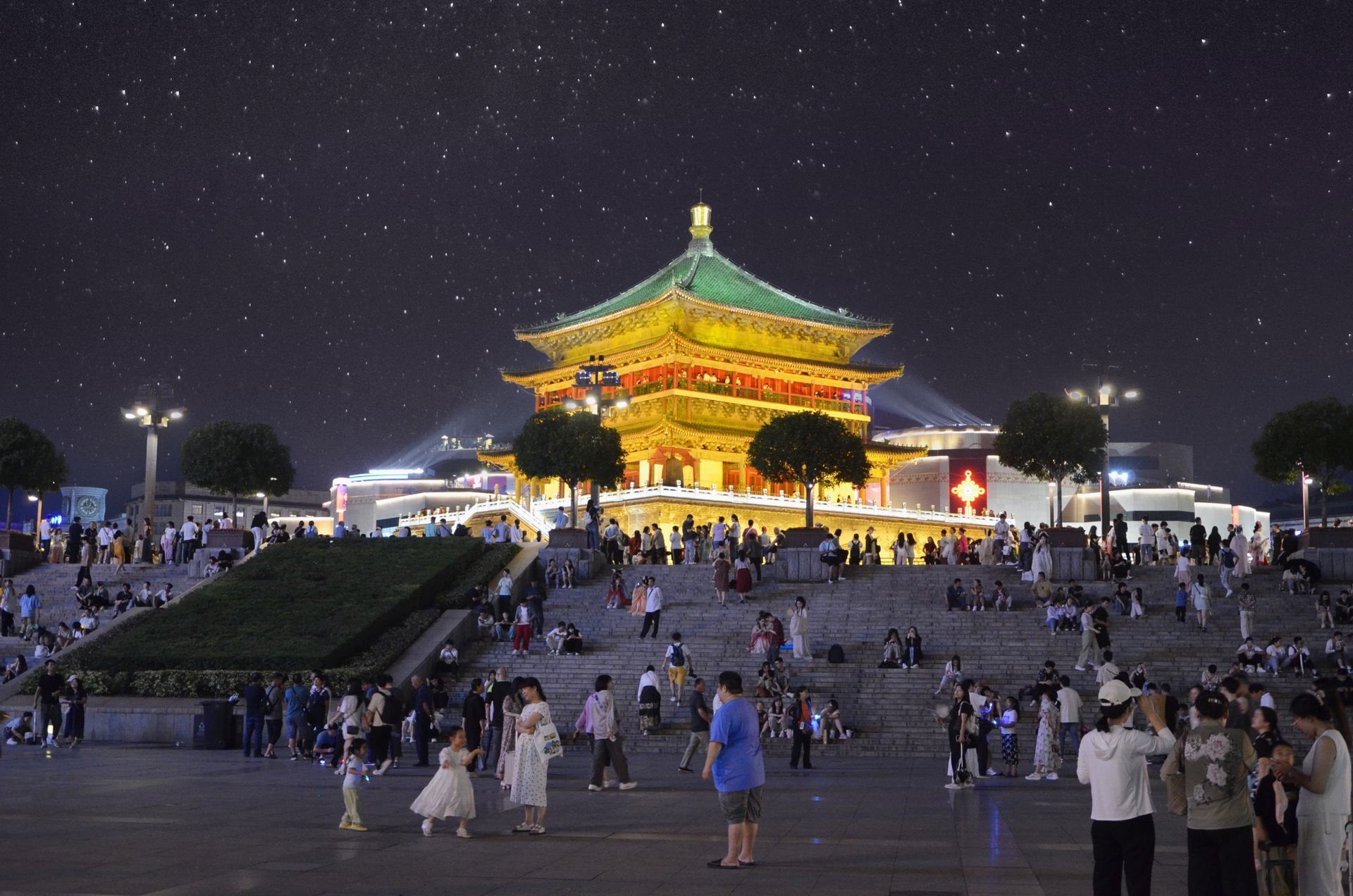
You will also find, at the end of these different sections that I detail for you, a complete overview of the 5 cities to visit: Shanghai, Beijing, Xi'An, Nanxun and Nanxiang.
Tips - Tourism - Safety - Restrooms - Cars - Trains - Food - Hotels - Ecology - Sport
Advice
Before leaving, make sure you have your passport, which may seem normal but will be your pass to get to most places (subway, train, plane, museums, etc...).
If you don't speak Chinese to visit the country, you have two choices: visit the country guided by bilingual Chinese people, which was my case, or learn it... Nothing but Chinese is spoken in China, so find the right translator that will work in China.
Also, make sure you have the option to pay with your mobile phone. For the past few years, and I think since COVID, cash is practically no longer used. Payments are made through apps linked to WeChat, an app you'll almost certainly have to use to manage everything you need to do while you're there. But avoid discussing politics on this platform; there are much better things to talk about.
There's no need to take a huge amount of medication before leaving; there's plenty available, and your body won't be affected by your diet. As for drinks, like in most countries, it's recommended to drink bottled water and always carry some with you, especially when the sun is strong.
Tourism
Don't expect to see many European or American tour buses, as most of the tourists you'll encounter are Chinese and other Asian residents. With nearly 1.5 billion citizens, China has a large local pool of people more inclined to visit their own country's heritage sites than those abroad, as it's expensive.
Many Chinese visitors, coming from remote areas where no Westerners have been seen, will be surprised to discover another culture: you with faces they've never seen before. Don't be surprised if you have your picture taken with people who will be delighted to capture the moment with you.
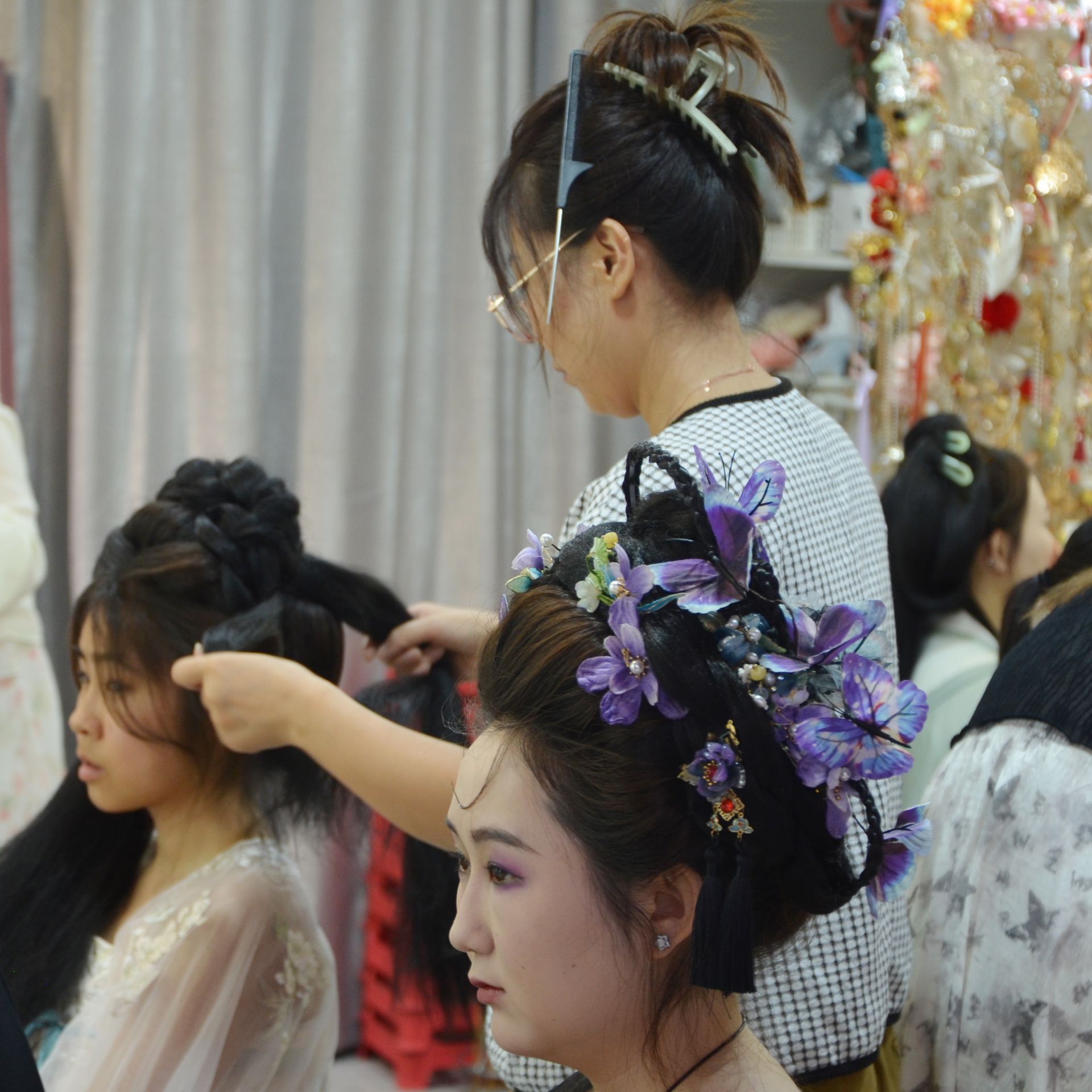
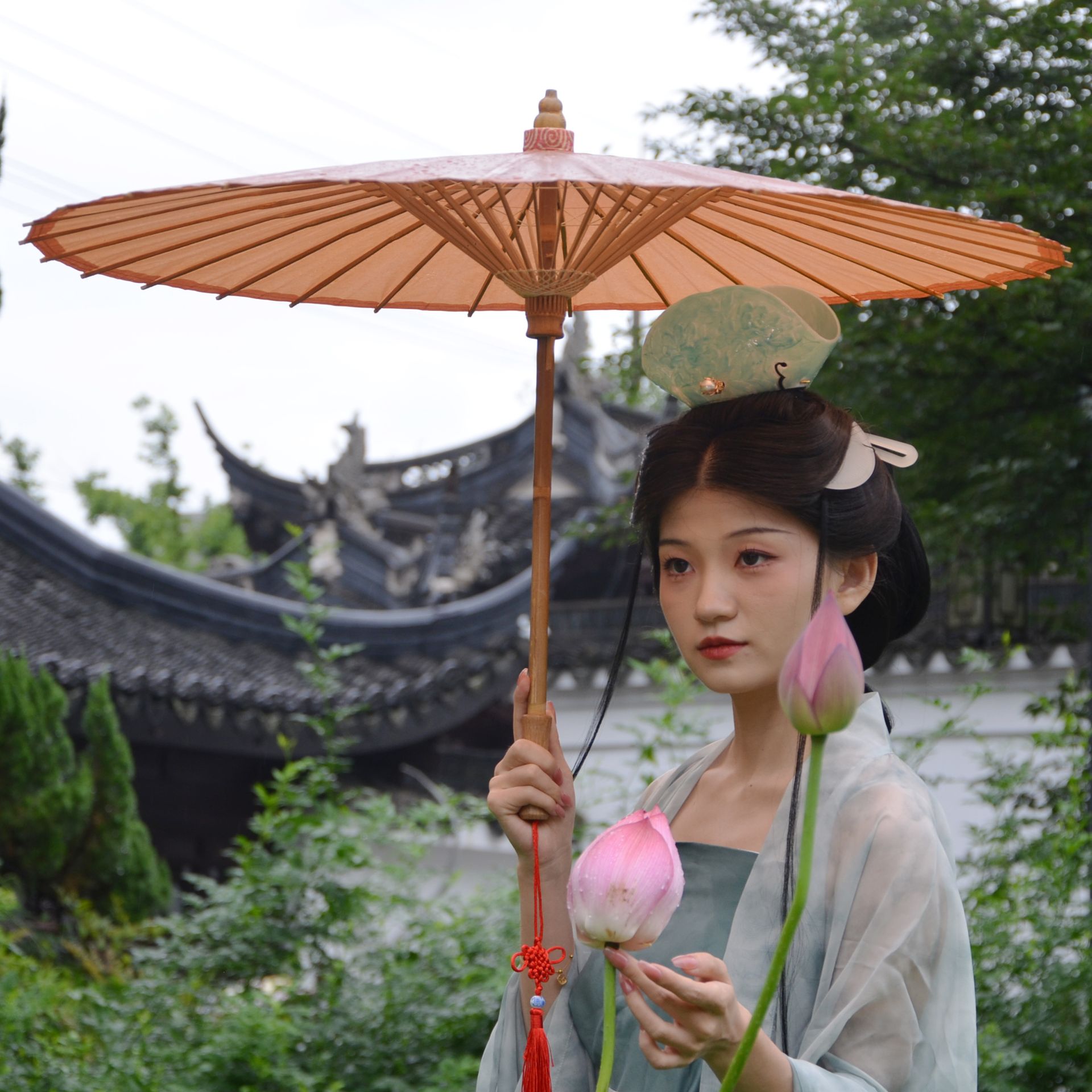
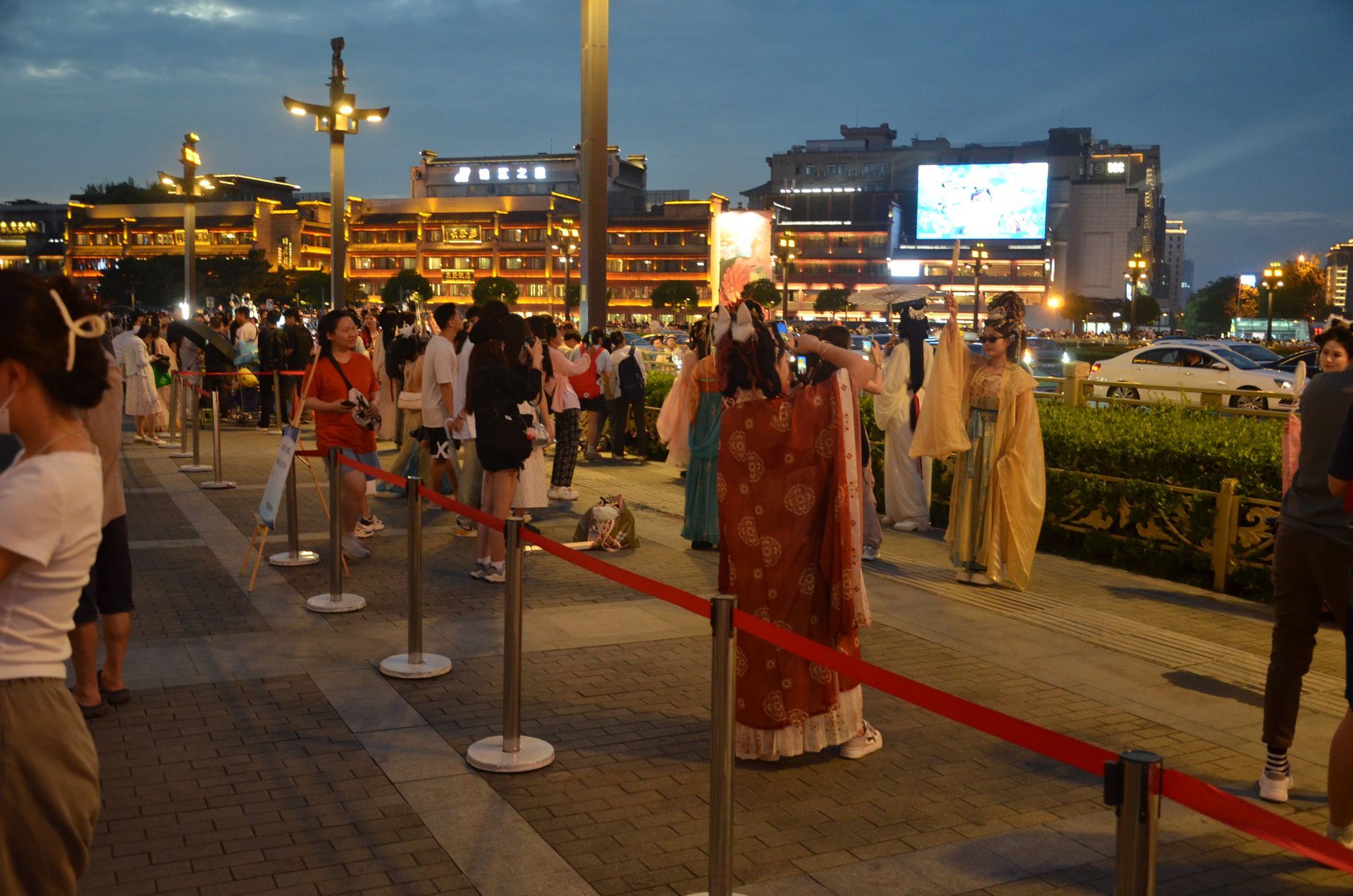
In this regard, and in most touristy or "Instagrammable" spots, you'll see many young women wearing traditional costumes and makeup representing a region, ethnic group, or historical figure, posing for photos with a multitude of accessories. My family and friends even joined in the fun of this transformation: an hour of makeup and choosing clothes and accessories requires a lot of patience, but the result is stunning. You won't have to worry about looking silly; quite the opposite!
Of course, around tourist sites, even the simplest ones, there is a significant number of souvenir shops and restaurants to entice visitors; everything is well organized to ensure you consume or bring something back.
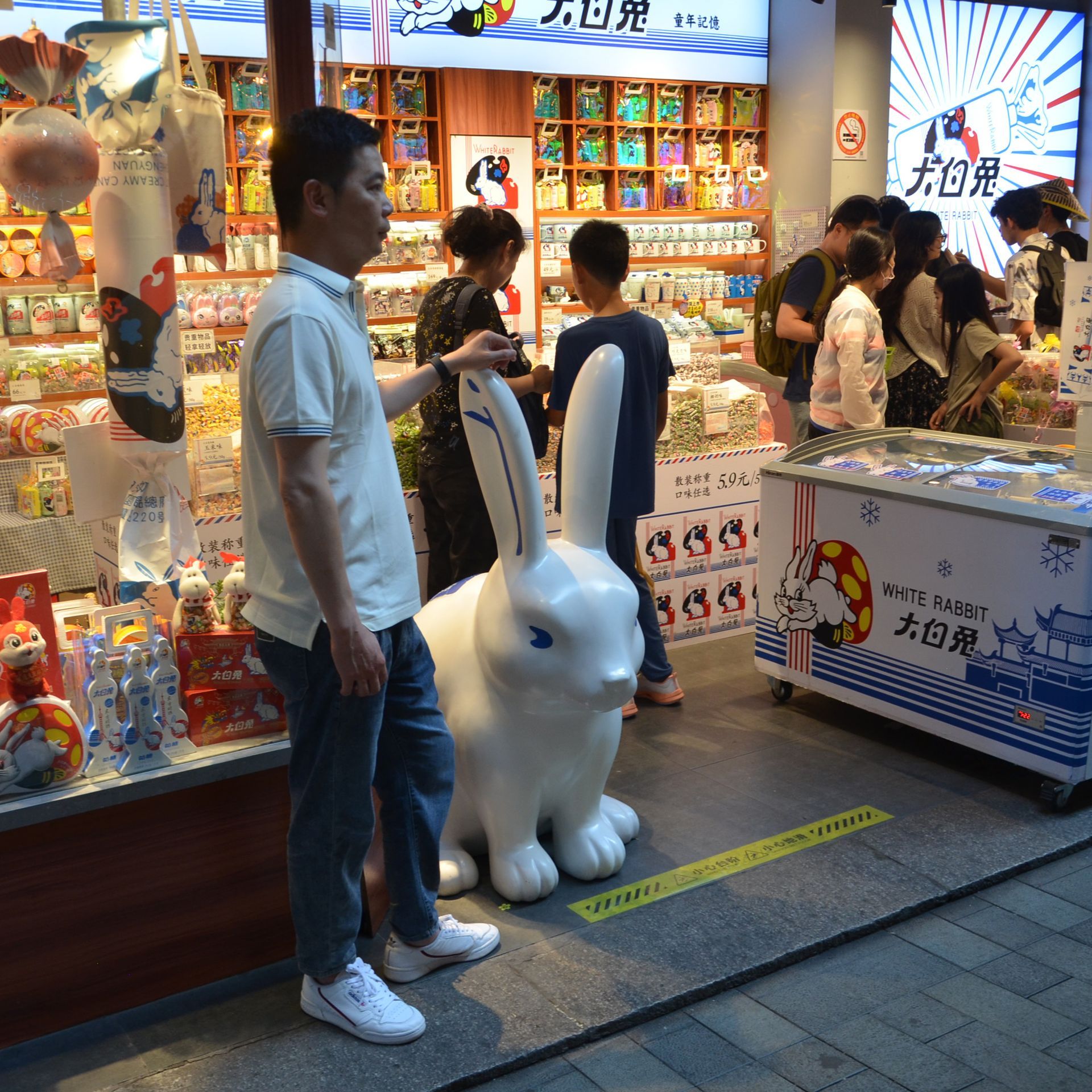
You may notice that the presence of representations of a white rabbit in tourist places is specific to Chinese mythology: it represents the Jade Rabbit of the goddess Chang'e; a sign of selflessness, piety and sacrifice.
Security
Prefabricated units equipped with flashing lights, radar, and cameras are placed every 300 to 400 meters in urban centers. This is complemented by cameras in strategic locations to monitor traffic flow and ensure daily security. Naturally, I advise you not to utter insults or engage in any criminal behavior towards people or buildings. All this to ensure a pleasant stay.
An effort has been made for people with disabilities: traffic lights indicating passage through the traffic light and blind guides on the ground for the blind, access ramps for all places, metro, train, museum.
In every residential area, the presence of a police liaison officer is posted at the entrance of your building or apartment complex, along with their photo and contact information. The same applies to residential neighborhoods (Hudongs), where this information is also posted at the entrances. Security is further reinforced by barriers and guard posts manned by state security agents.
In China, there doesn't seem to be a culture of theft or vandalism, since everything is based on the common good. If you do something that could be harmful, you make everyone suffer, and therefore yourself. So, what you do that's good for the country or for others will benefit the greatest number. You don't feel any animosity, shouting, or even honking.
If you plan to travel or visit places where you'll be passing through porticoes, avoid carrying lighters; this alone discourages you from smoking. Even more so if you're carrying hard liquor in addition to the lighter; historically, many buildings have been destroyed by fire. It's not uncommon to see enormous cauldrons used to fill them with water in case of fire, as many were made of wood.
Bathroom
Rest assured, all places have toilets to relieve themselves. However, they vary depending on the location: some are high-tech, with signs indicating whether they are occupied or not, while others are squat toilets, either for one person or for several (more common in hudongs). Make sure you bring something to use as toilet paper, as it's not always provided.
Automobiles
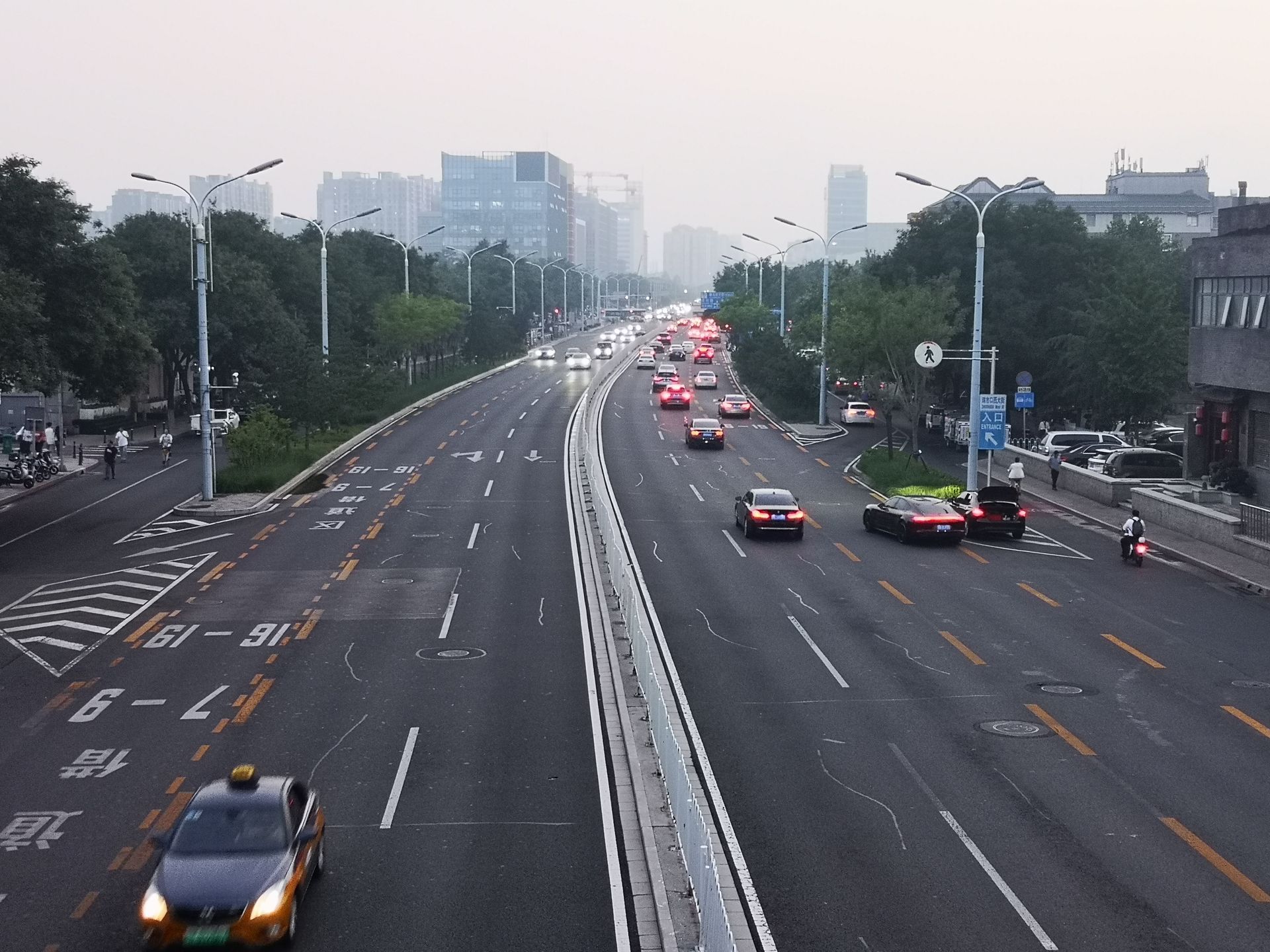
Western brands are present here, but not what you'll see most. 80% of the brands here are Chinese, the remaining 20% are German, Japanese, Korean, and very few are French (only 4 in total during the 15 days spent in China). French brands are more prominent in the luxury sector, particularly in the bustling commercial districts.
As I mentioned earlier, Chinese cars are the majority on the country's roads. However, it's worth noting that in terms of vehicles, electric cars represent 51% of the total fleet, compared to 10-13% in Europe! This shift has led to the disappearance of diesel from Chinese gas stations.
A major incentive program to encourage electric vehicles has been launched by the government and some large cities: in Beijing, you can only drive a maximum of four days a week via a lottery system, while in Shanghai, a license plate will cost you €15,000 if you drive a combustion engine vehicle, but nothing if you drive an electric one. This might explain why I didn't experience the pollution as much as I expected before arriving.
Despite China's economic and technological development, with Huawei, Oppo, and other domestic brands, Apple also maintains a presence with Apple Stores in the country's largest cities. I witnessed someone using a brand-new Apple Vision Pro in the street, even though it hadn't yet arrived in Europe!
Trains
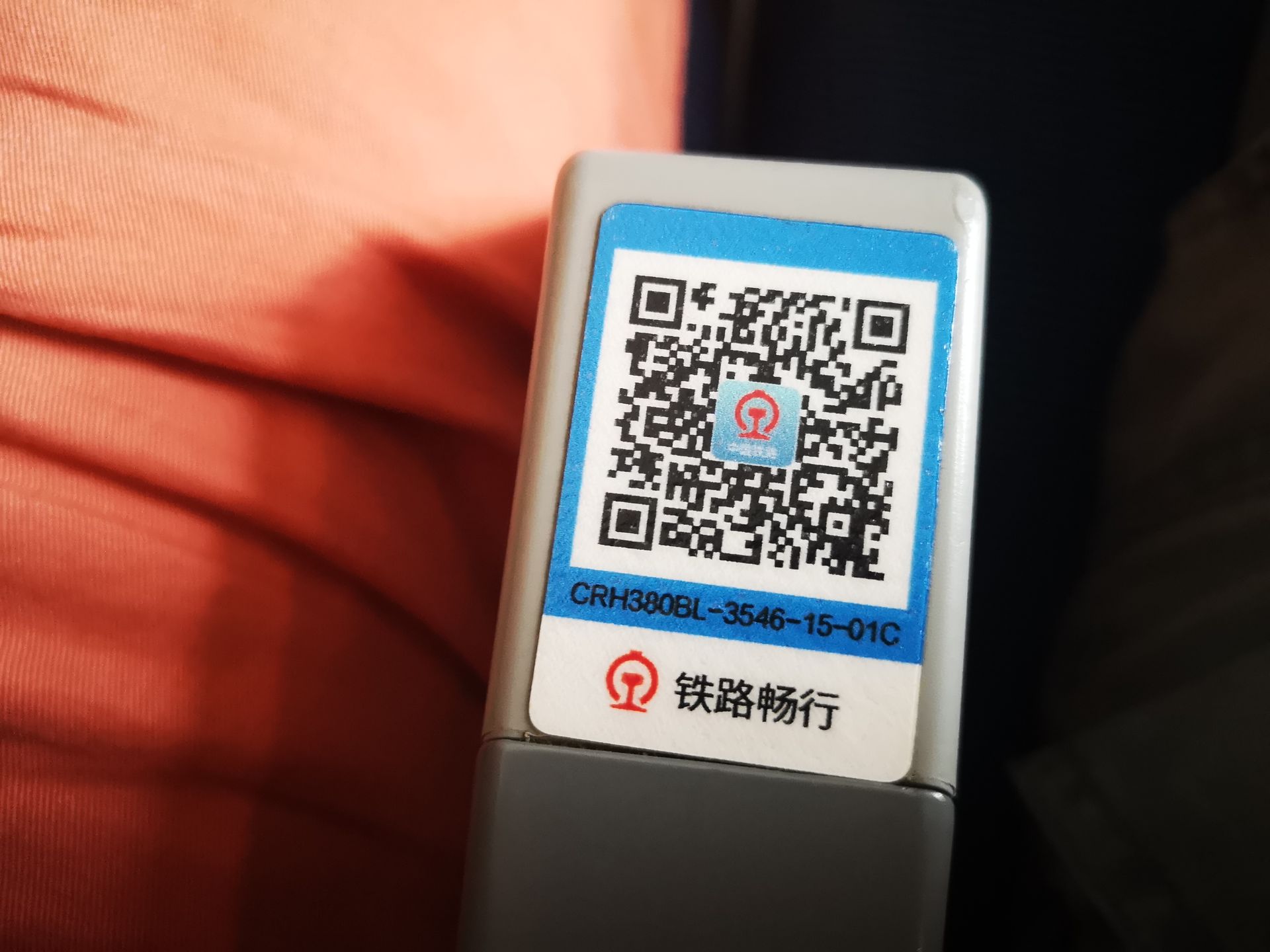
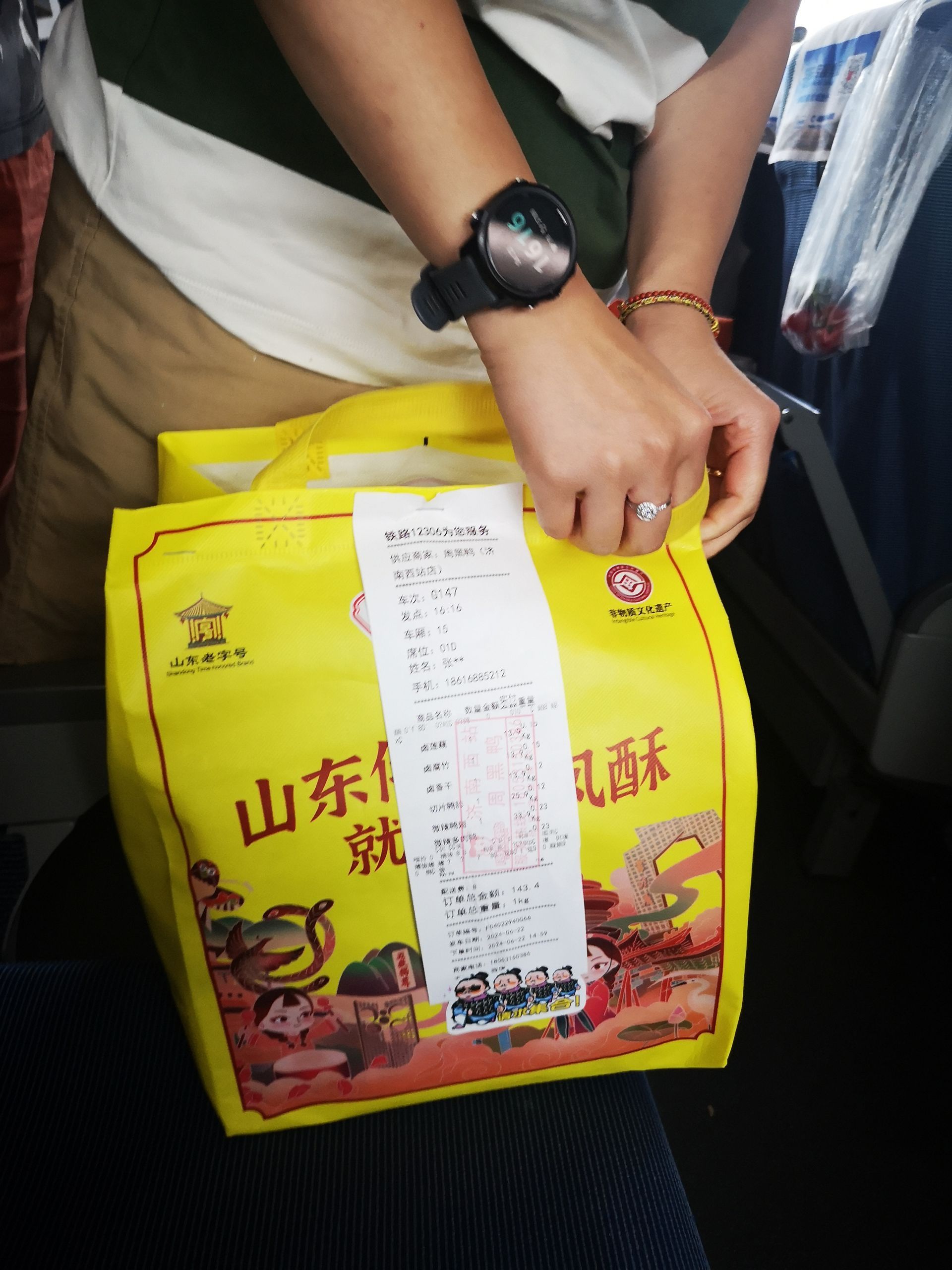
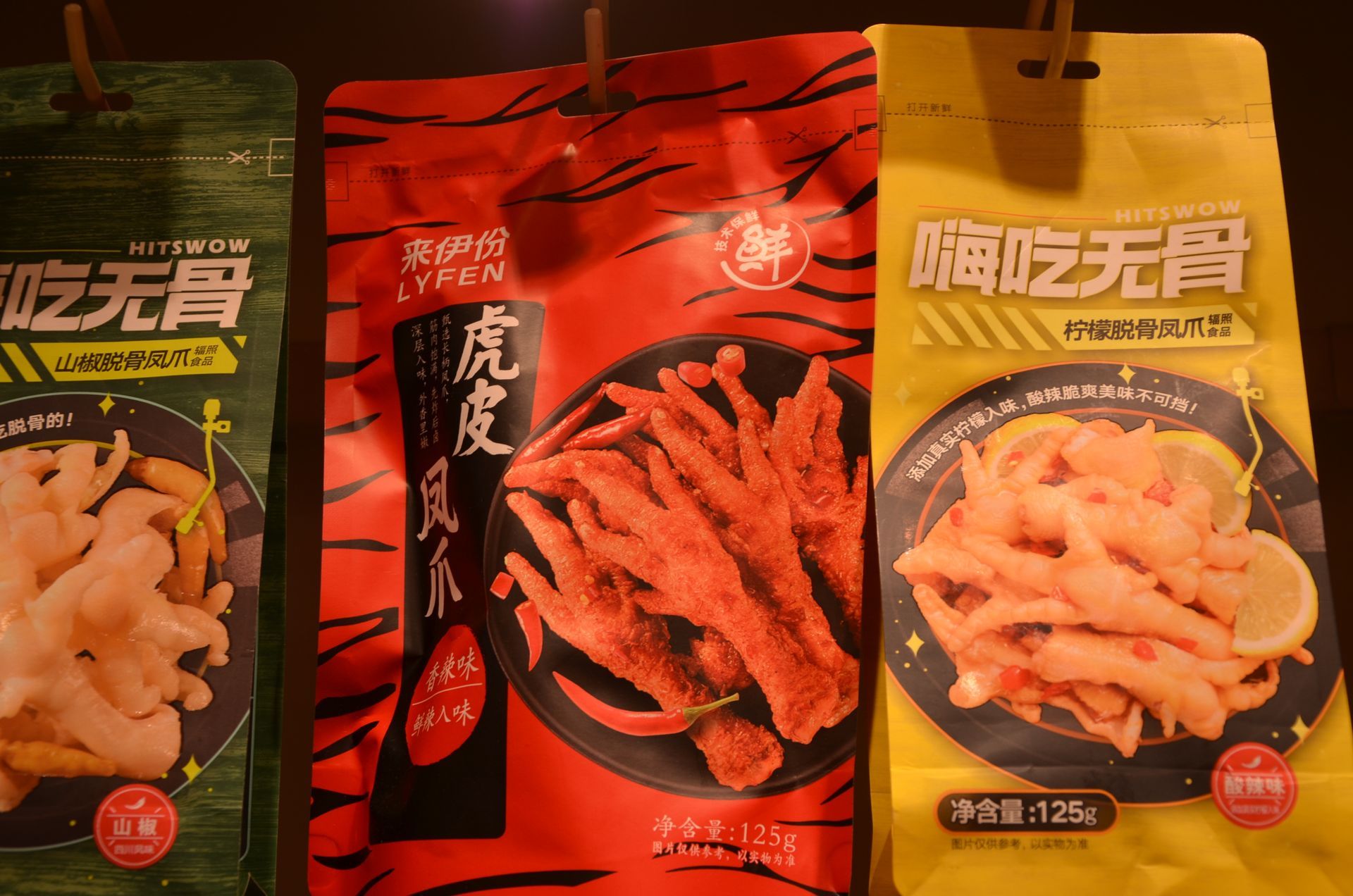
It's interesting to see how technology has brought together Chinese and WeChat users to order online. Imagine traveling from Nice to Paris in France and getting a sudden craving, having forgotten that the weather isn't going to be kind to you upon arrival. On the armrests of the seats, there's a QR code; you scan it, and you have access to a catalog of products ranging from food to all sorts of consumer goods. You place your order, and at the next stop, someone delivers it directly to your seat: takeaway food (McDonald's, restaurant meals, Subway, duck feet, fruit, etc.) to tide you over during the journey, a gift to give to your friends upon arrival, or a sweater so you don't freeze when you get home.
This service is also available if you're at home and want to order your groceries, whether food or other consumer goods. You'll receive them the same day, even faster than online ordering services in France or Europe.
The onboard service is undeniably enhanced to ensure your optimal comfort. In second class, the legroom is equivalent to what you would find in first class in Europe: 20 cm more space than the seat in front. In addition to the onboard orders you can place using your app, promotional activities also offer drinks and food, as well as products from the Chinese railway company (model trains, souvenirs, and other goodies), all accompanied by videos playing in the carriages highlighting the company's values: the history of line construction, technological advancements, and safety recommendations.
Hygiene standards are also high, as the toilets and train carriages are cleaned every hour under the supervision of a manager who performs a final check. This is a real sign of confidence.
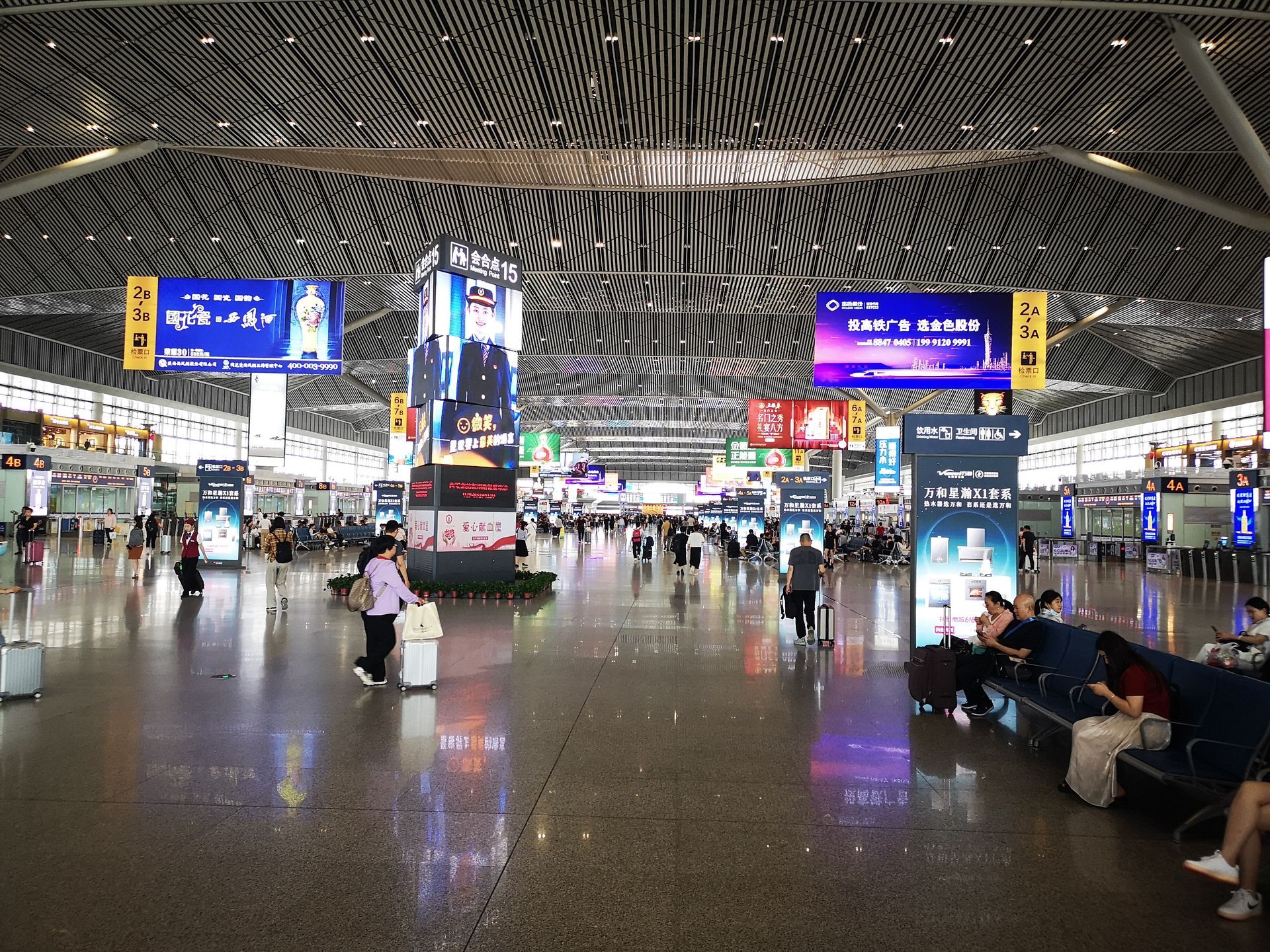
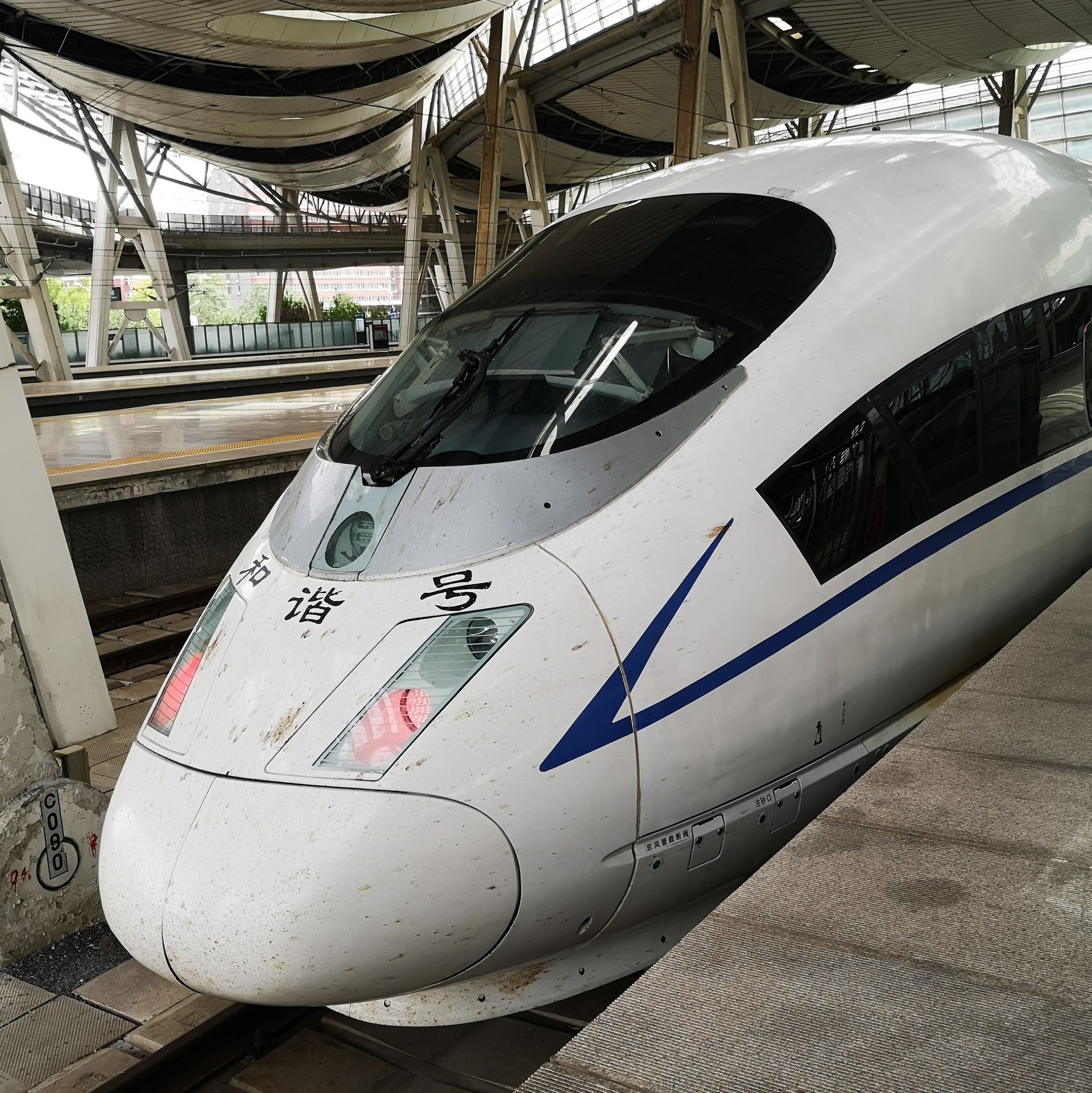
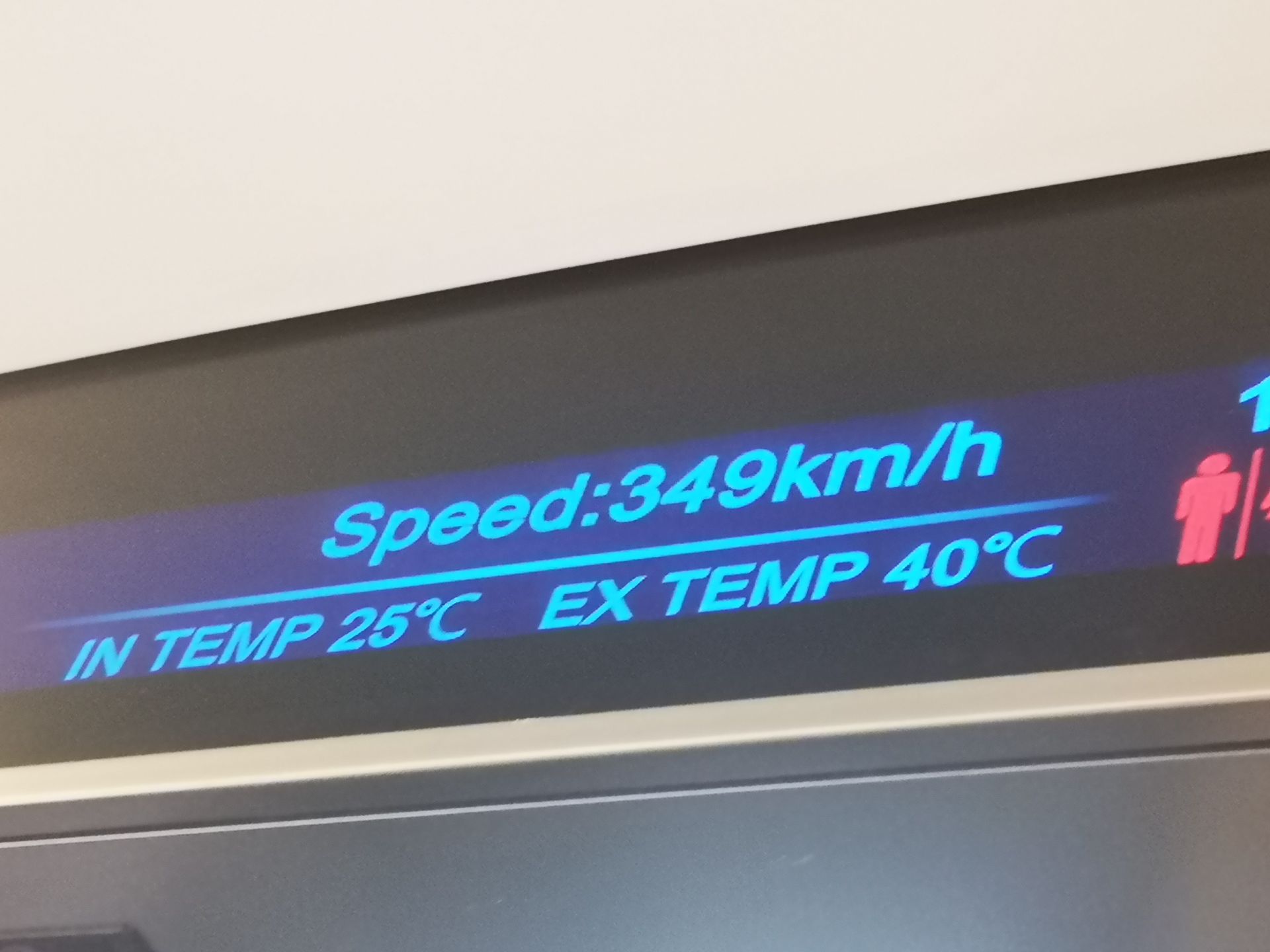
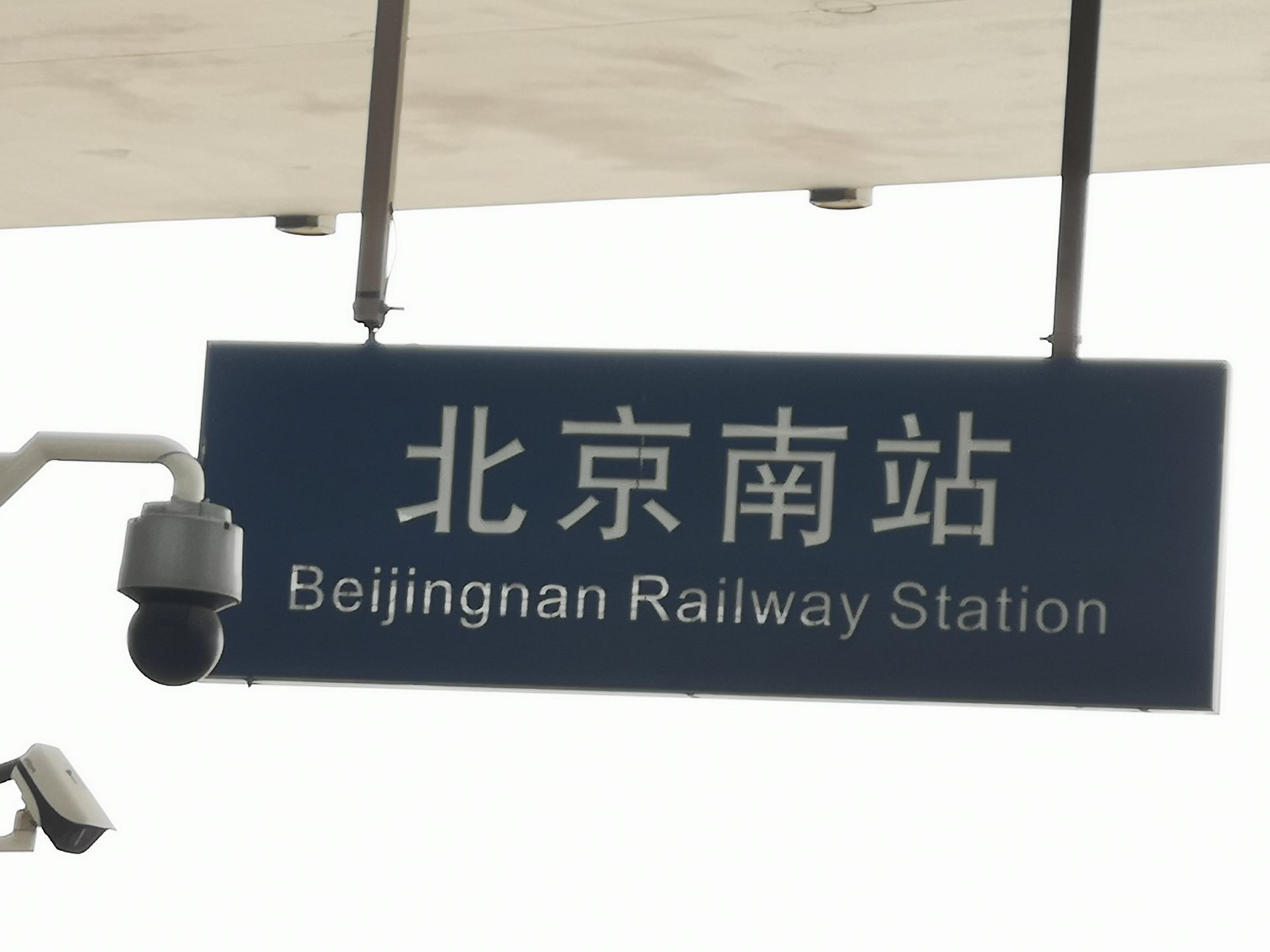
During our journey between the different cities we visited, I expected the train we were on to slow down at the stations. Far from it; the train continued on at 350 km/h, thus shortening the travel time over long distances. And don't bother asking if the trains arrive on time; punctuality is one of the core values of the Chinese railway.
In short, the Chinese train knows how to make itself appreciated and provides a real alternative to air travel.
Food
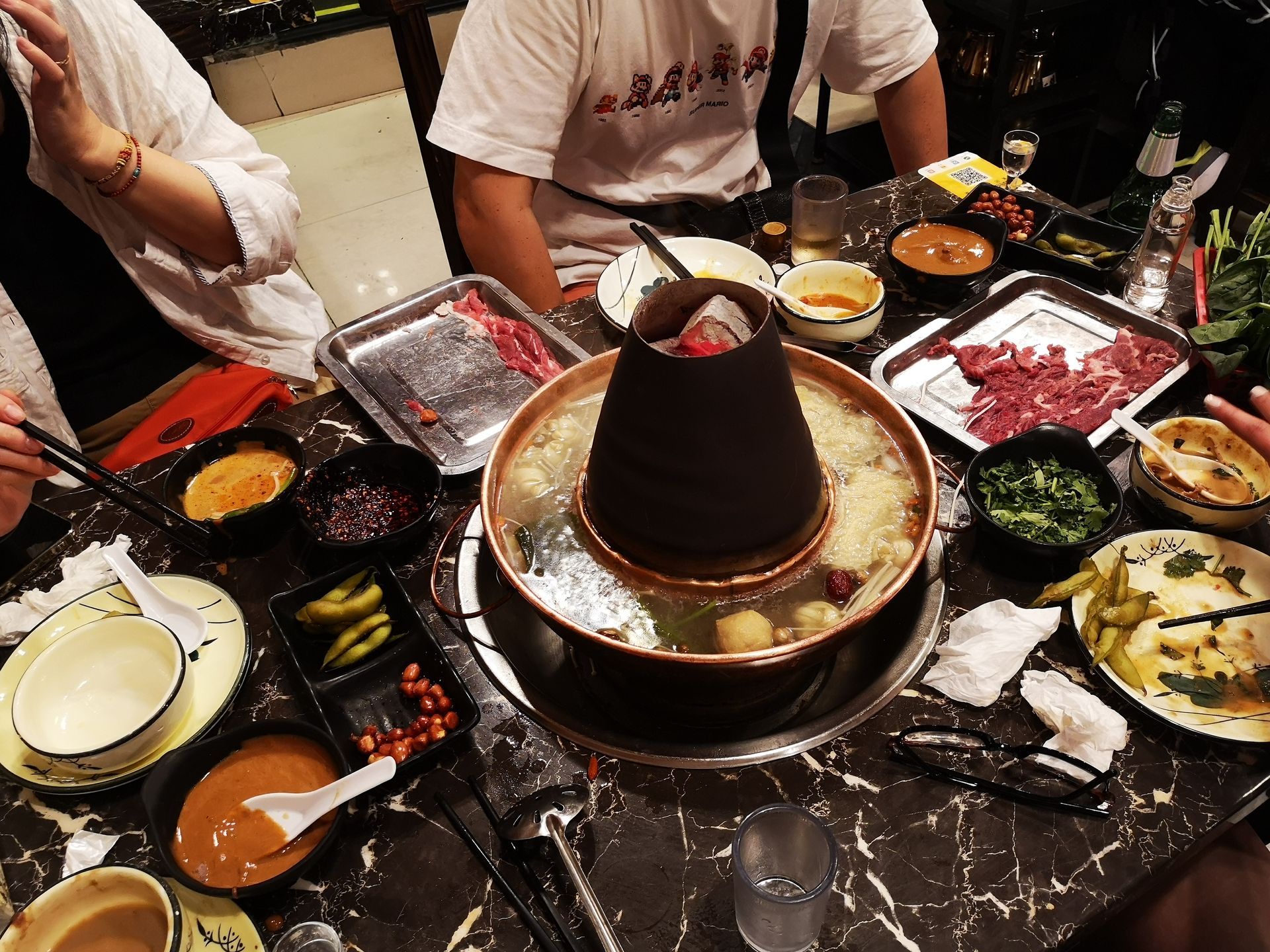
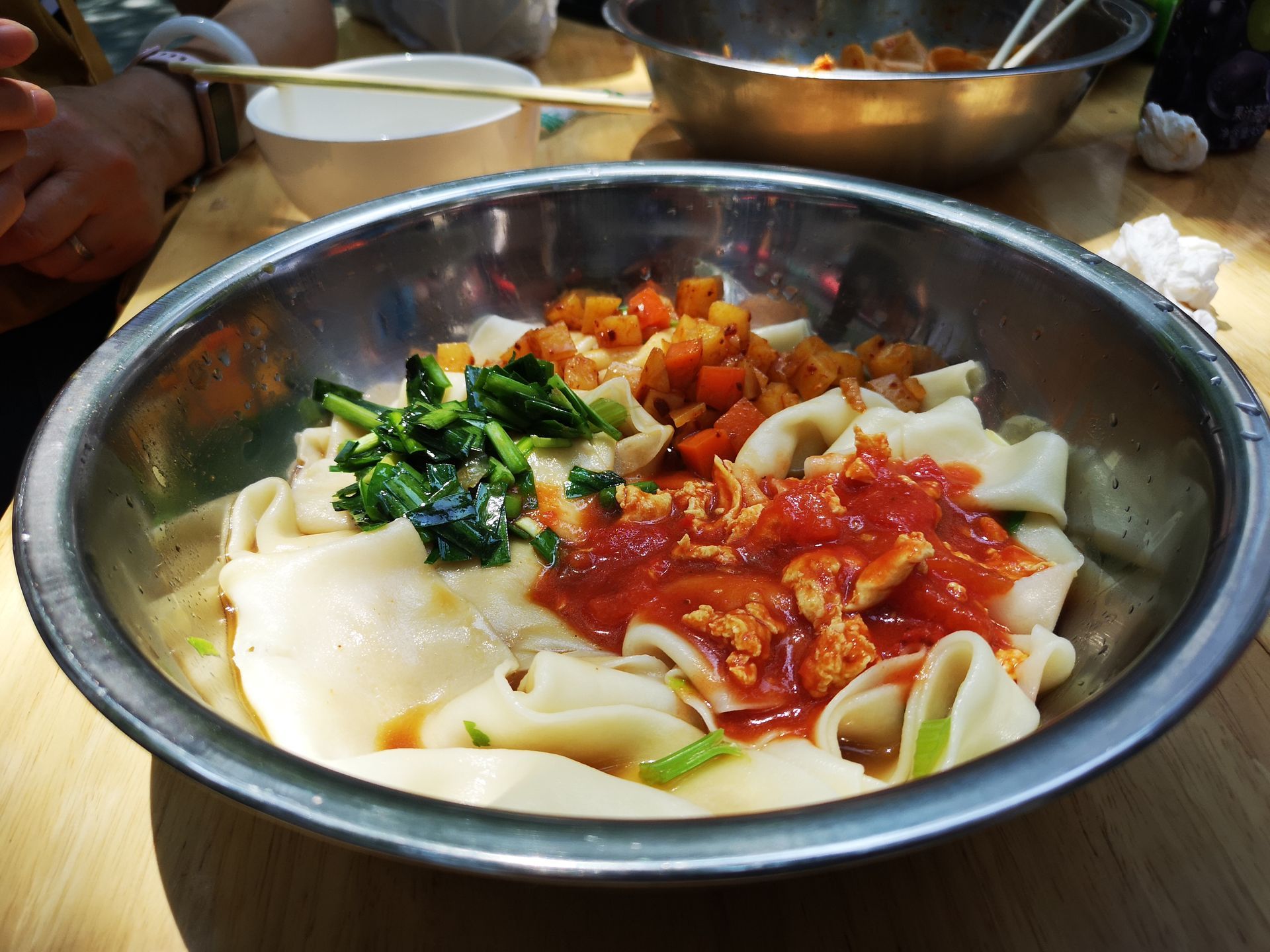
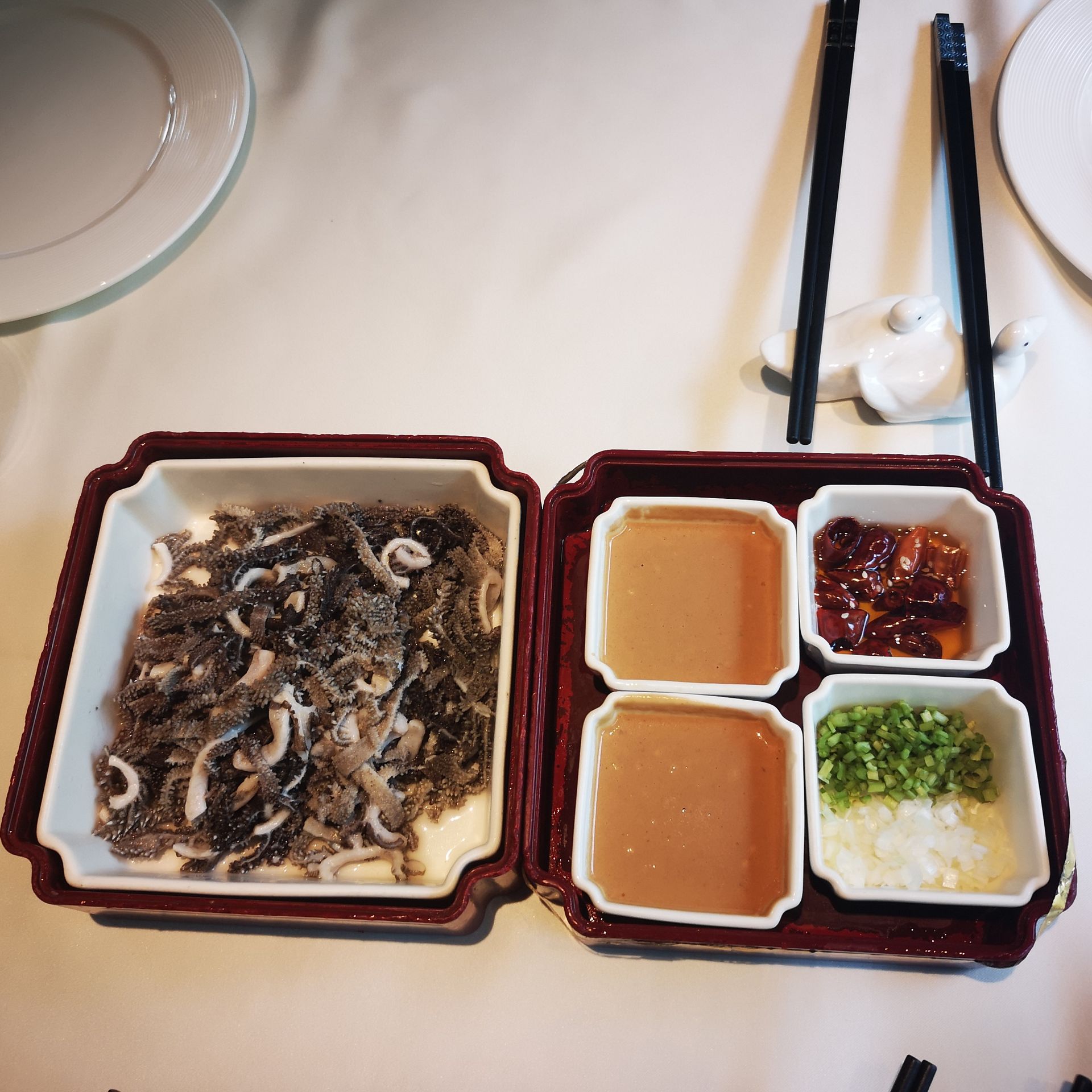
I hear a lot of rumors about Chinese people eating pets. There might be one or two remote areas in the south of the country where that's the case, but I haven't seen anything like it in China. Apart from grilled jellyfish, the rest of the food is pretty much what you find in Asian restaurants in our European neighborhoods, with many more surprises: new dishes, authentic, traditional, and luxurious restaurants.
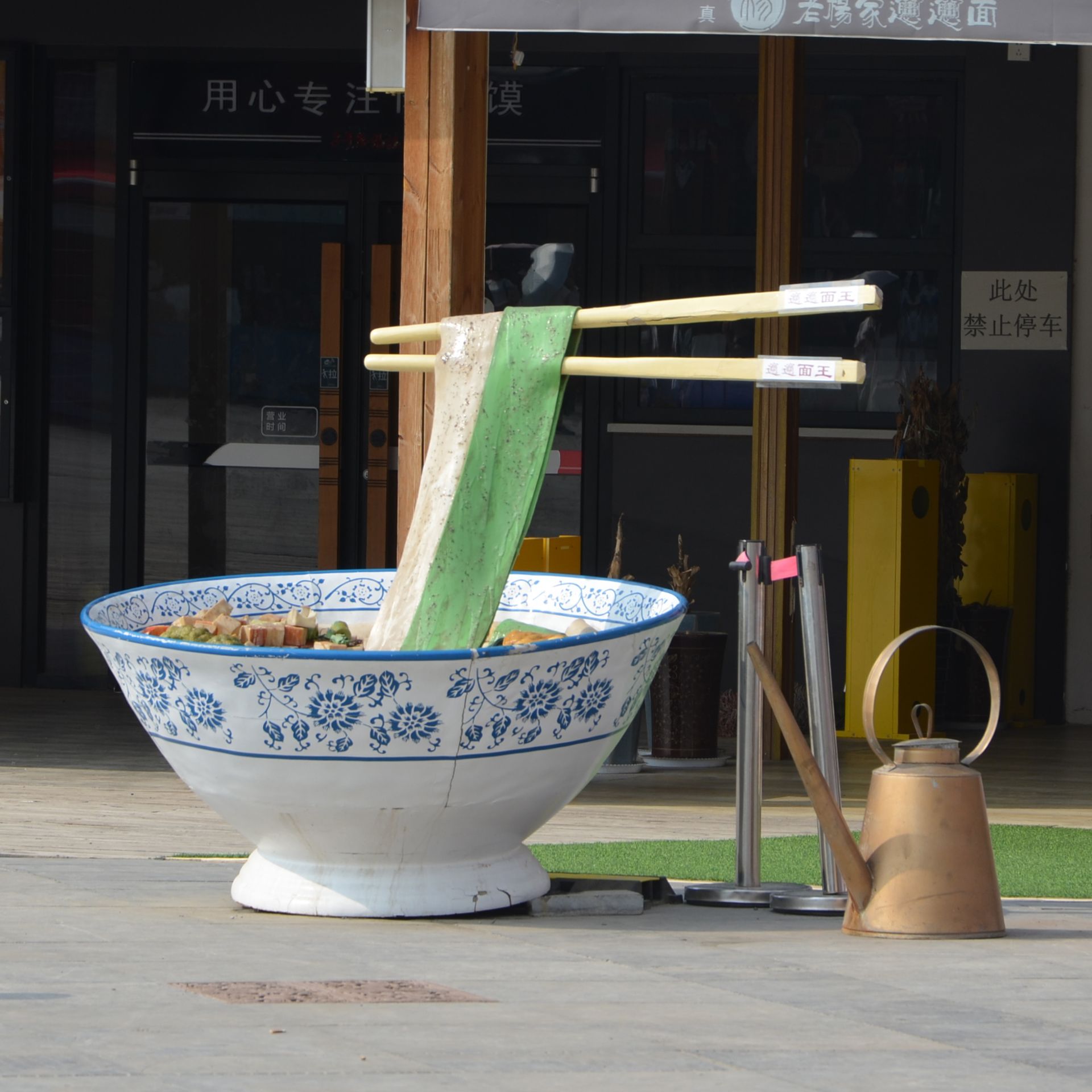
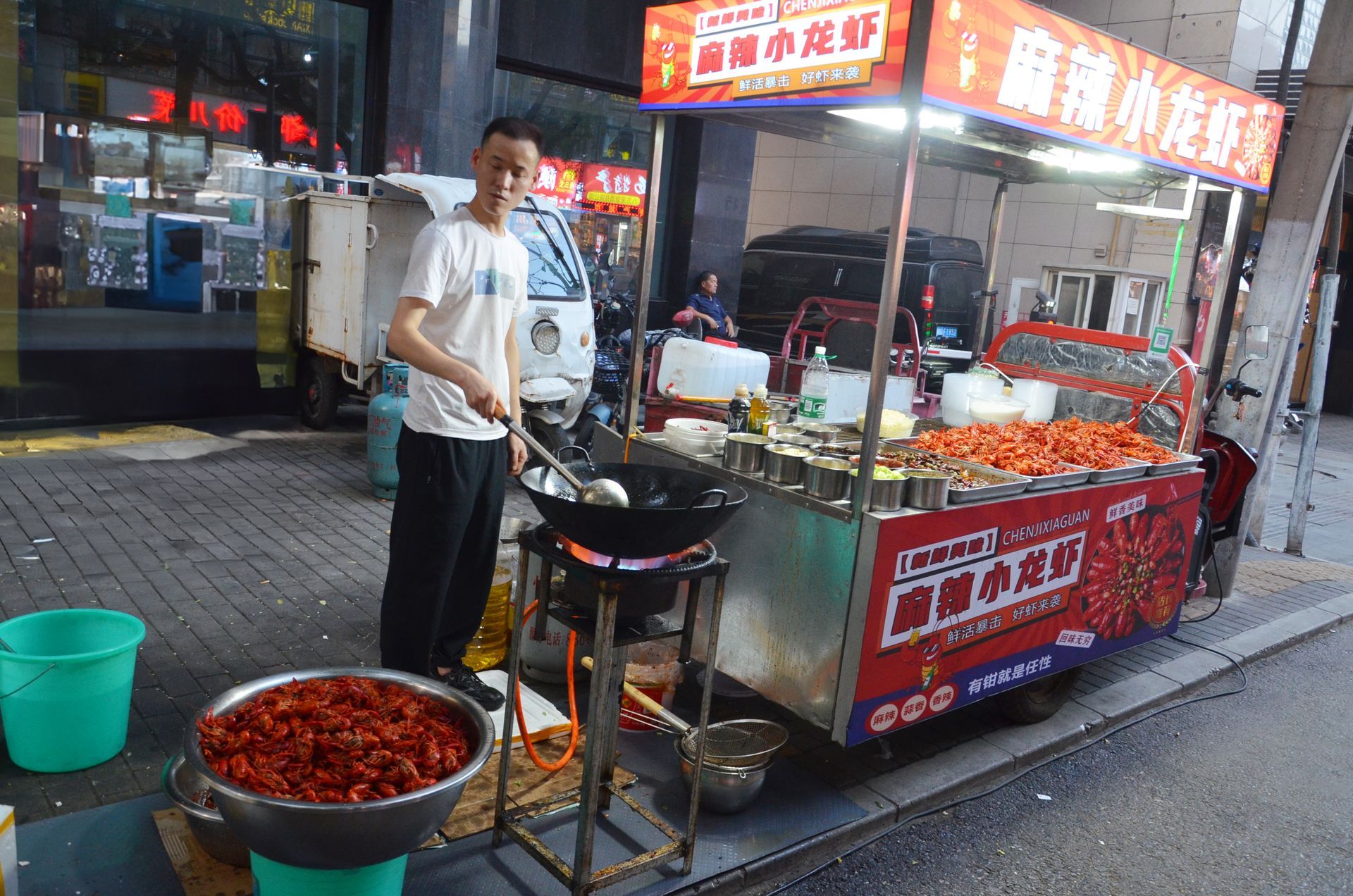
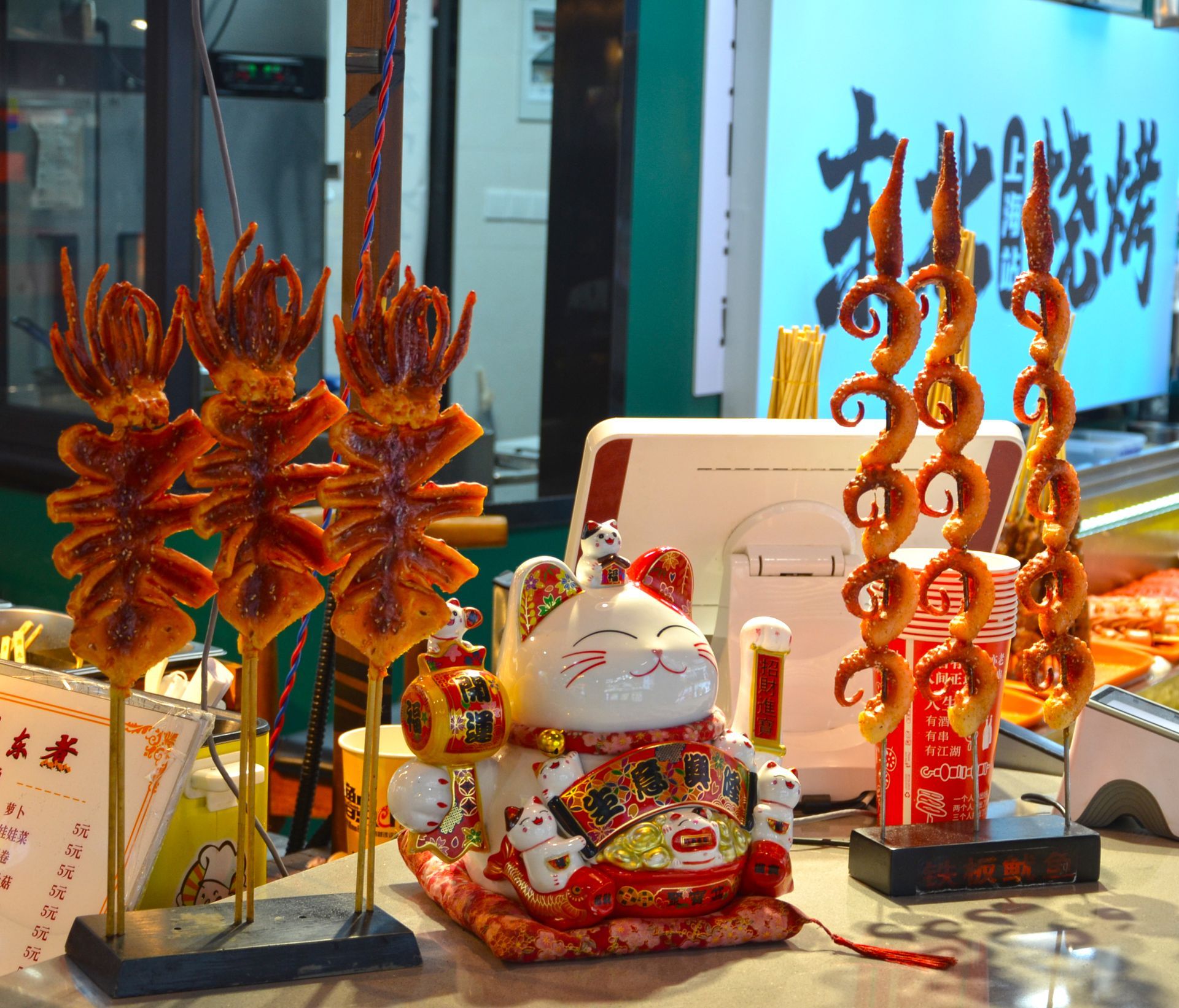
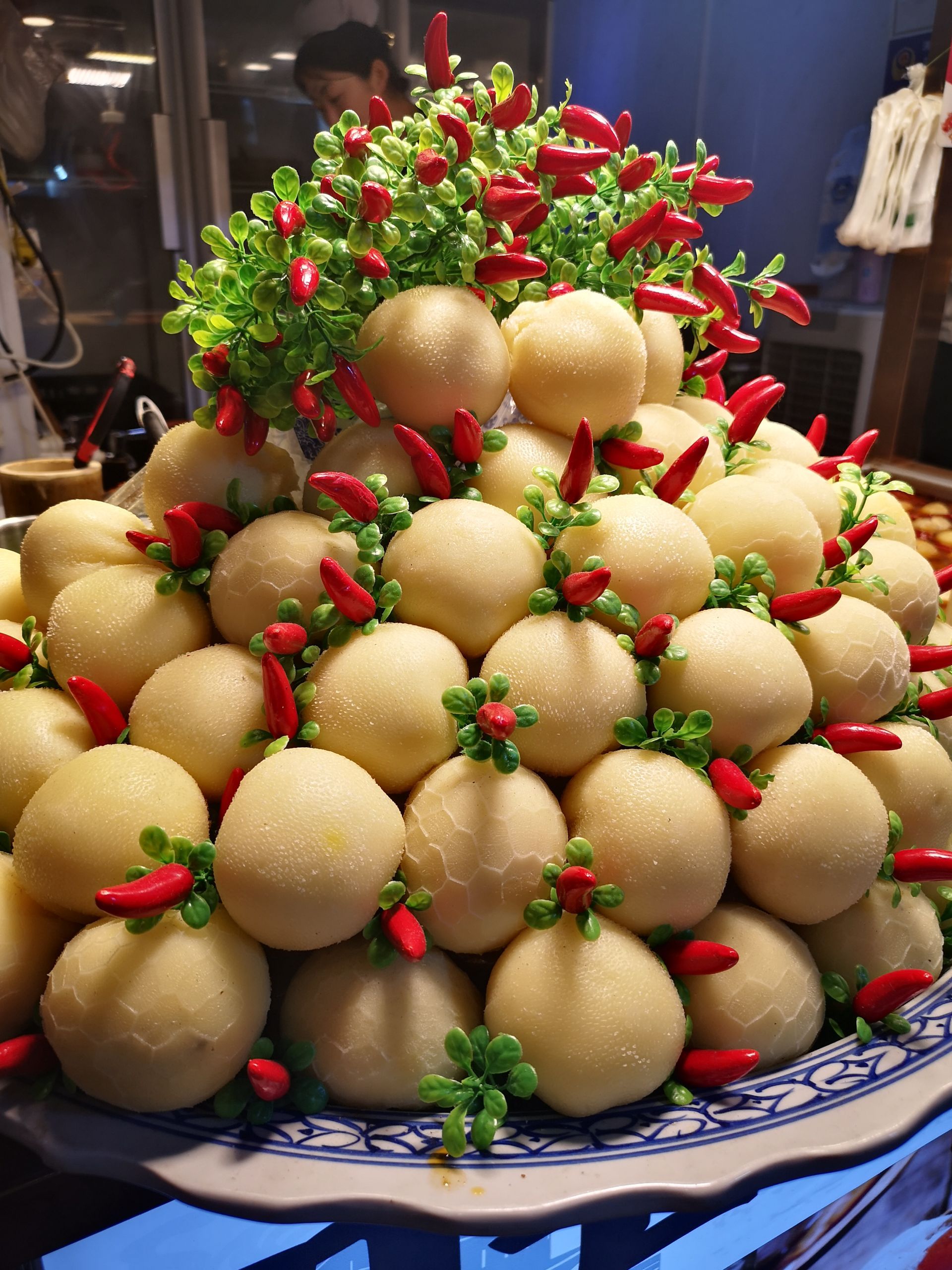
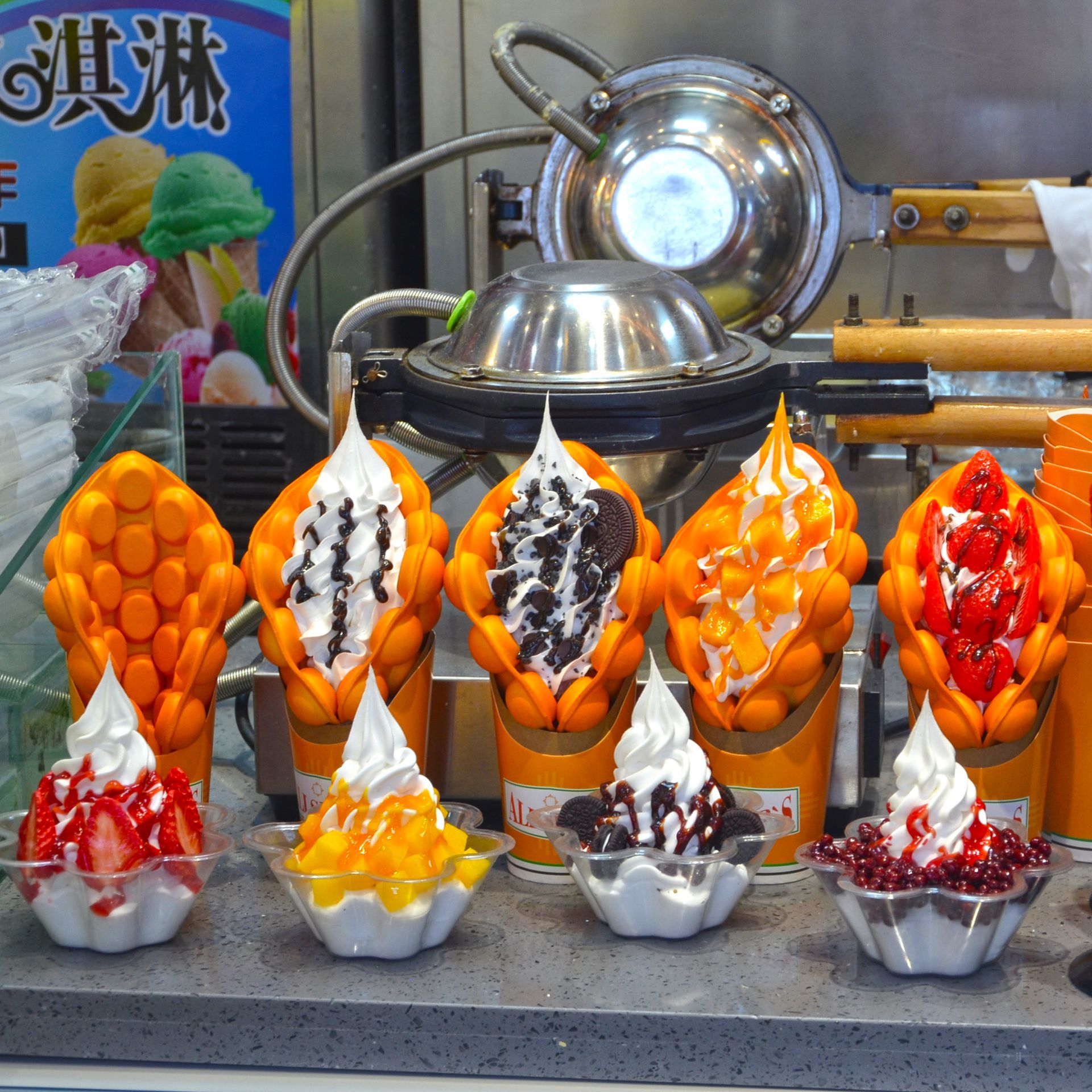
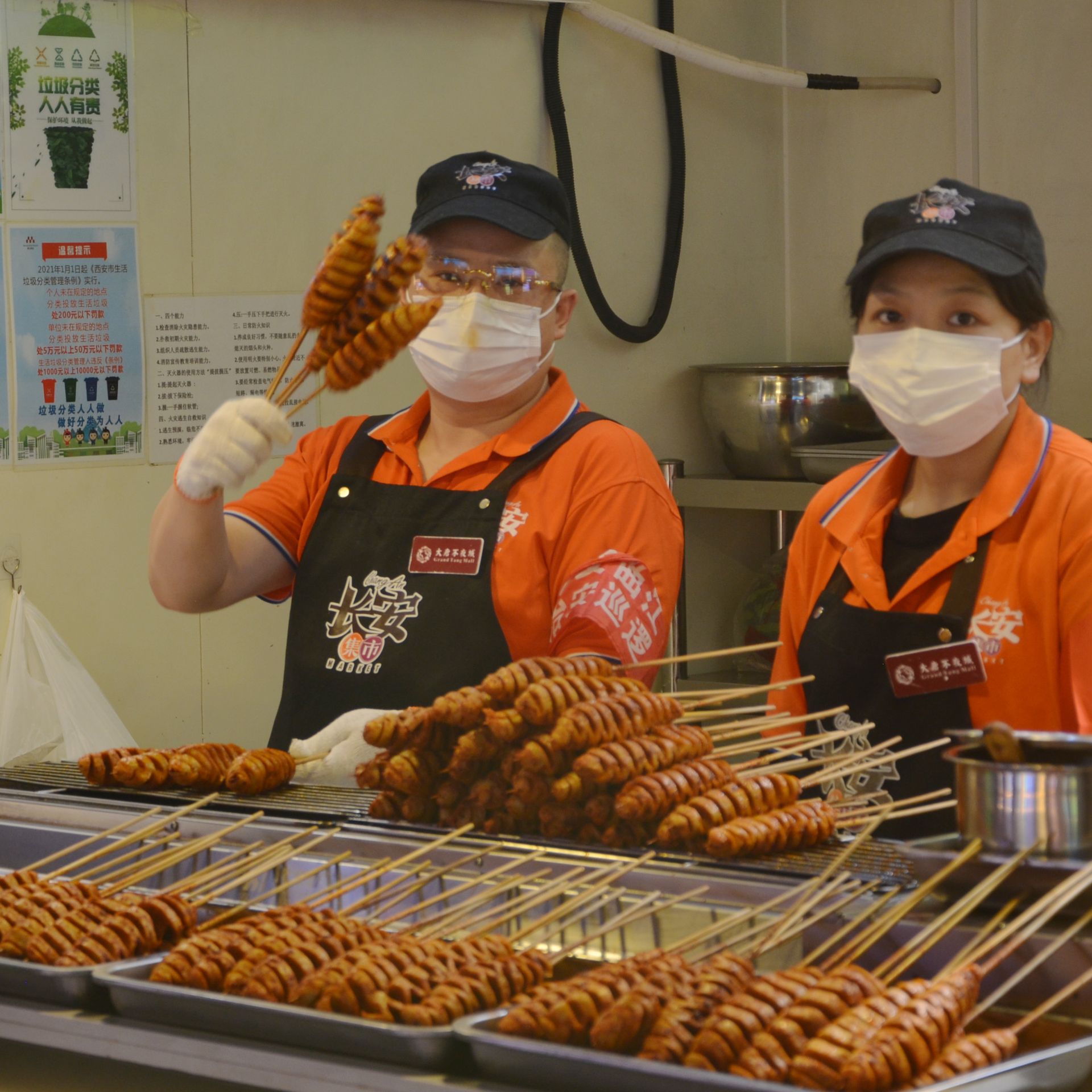
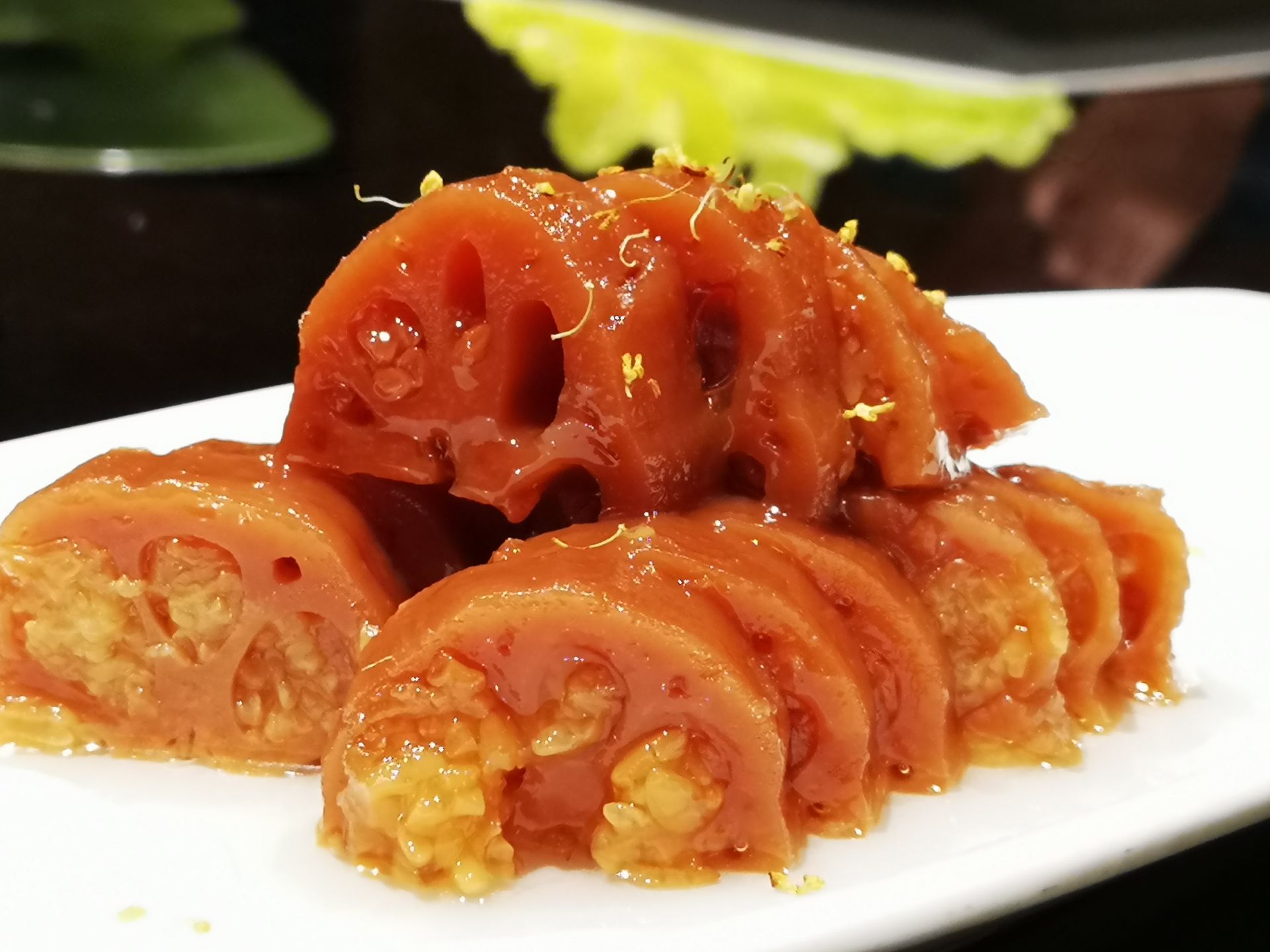
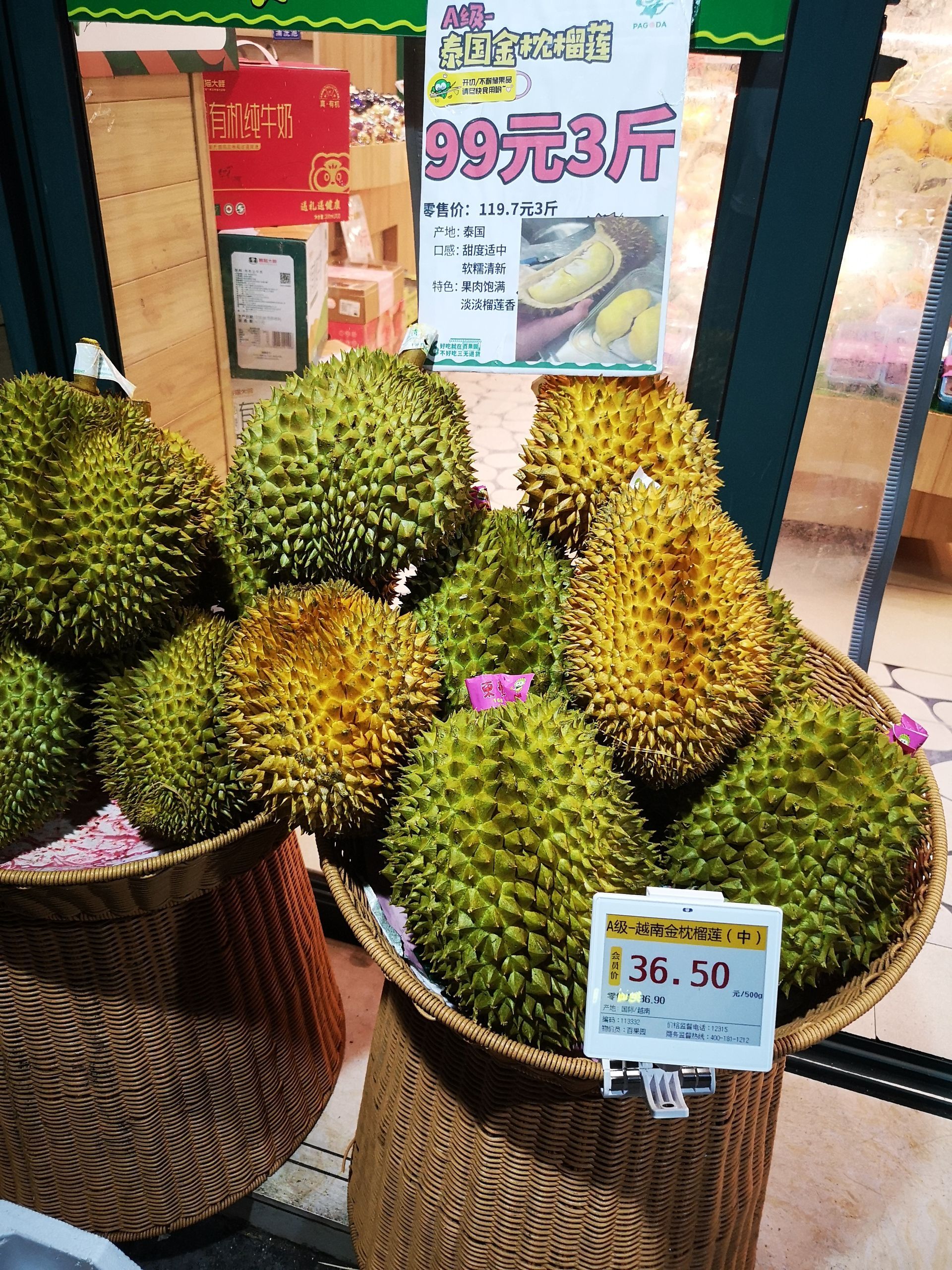
Wherever you go, there's always something to eat, whether you eat in or take away. Everything is designed so you can discover hundreds of flavors, dishes, sauces, herbs, and treats. You can also eat at any time of day, mainly savory food, even in the morning, including soups, noodles, duck, lotus root, tofu, pork, and chicken.
It's easier to find tea, in all its flavors and varieties, than coffee in the country. However, you can find a few coffee shop chains in the larger cities. The Chinese also enjoy simply drinking hot water, which is very good for digestion and overall health.
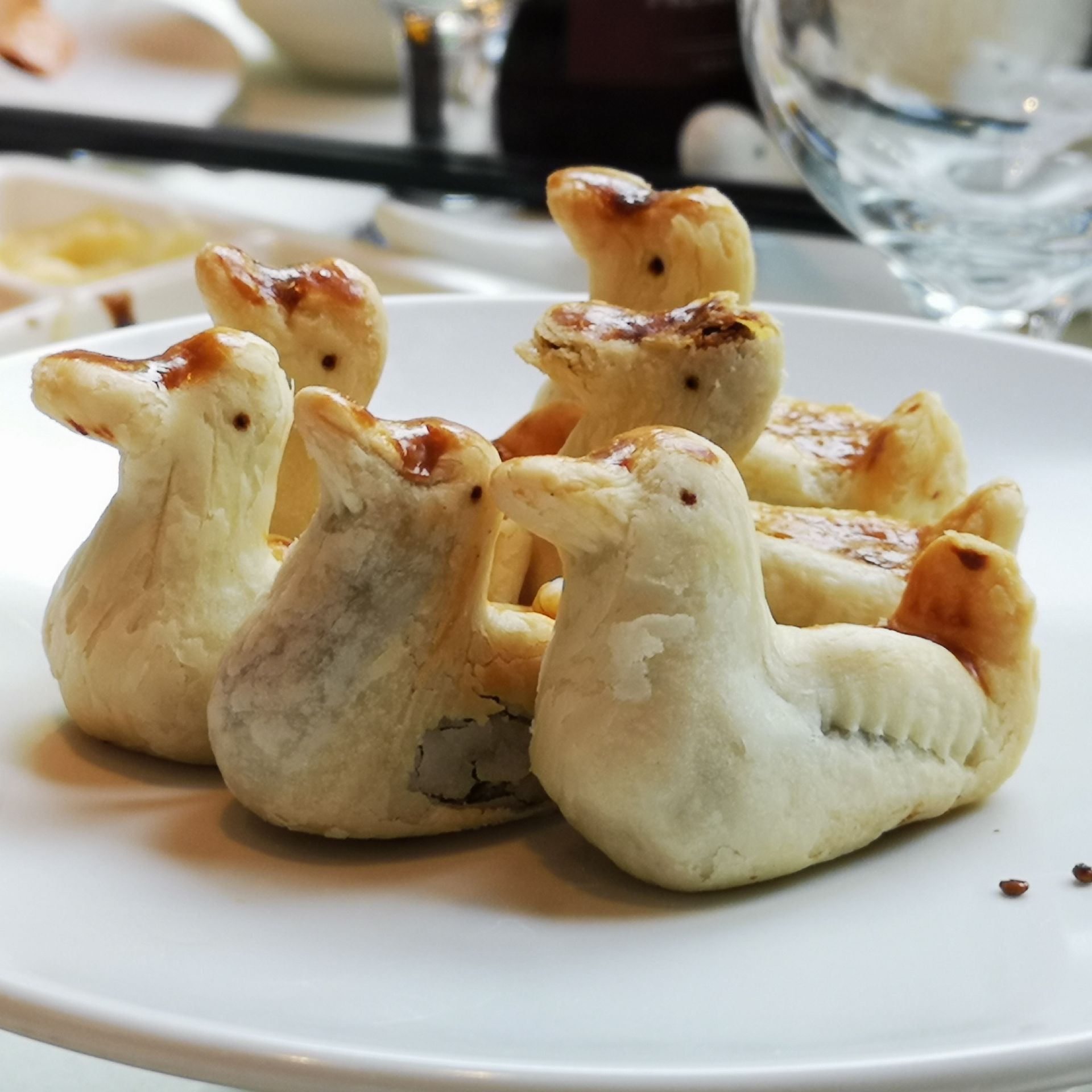
There's always someone in every restaurant or at the end of a queue at a snack bar. Don't hesitate to ask if what you've ordered is spicy, as it's not indicated on storefronts or menus. Nevertheless, you should try everything, because the dishes, fruits, salads, and other preparations will introduce you to a new and exciting flavor. That's also part of discovering a country or city: through its food.
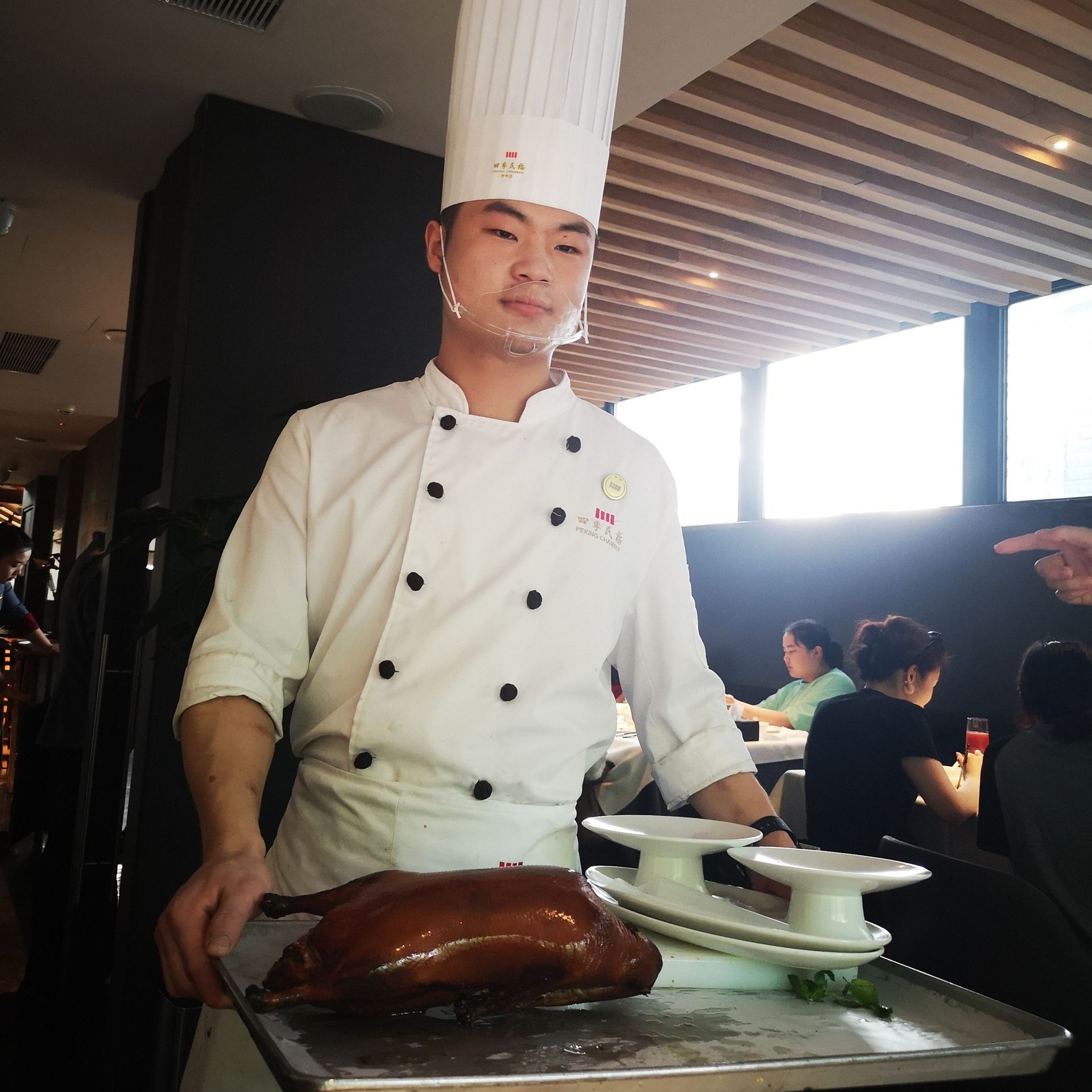
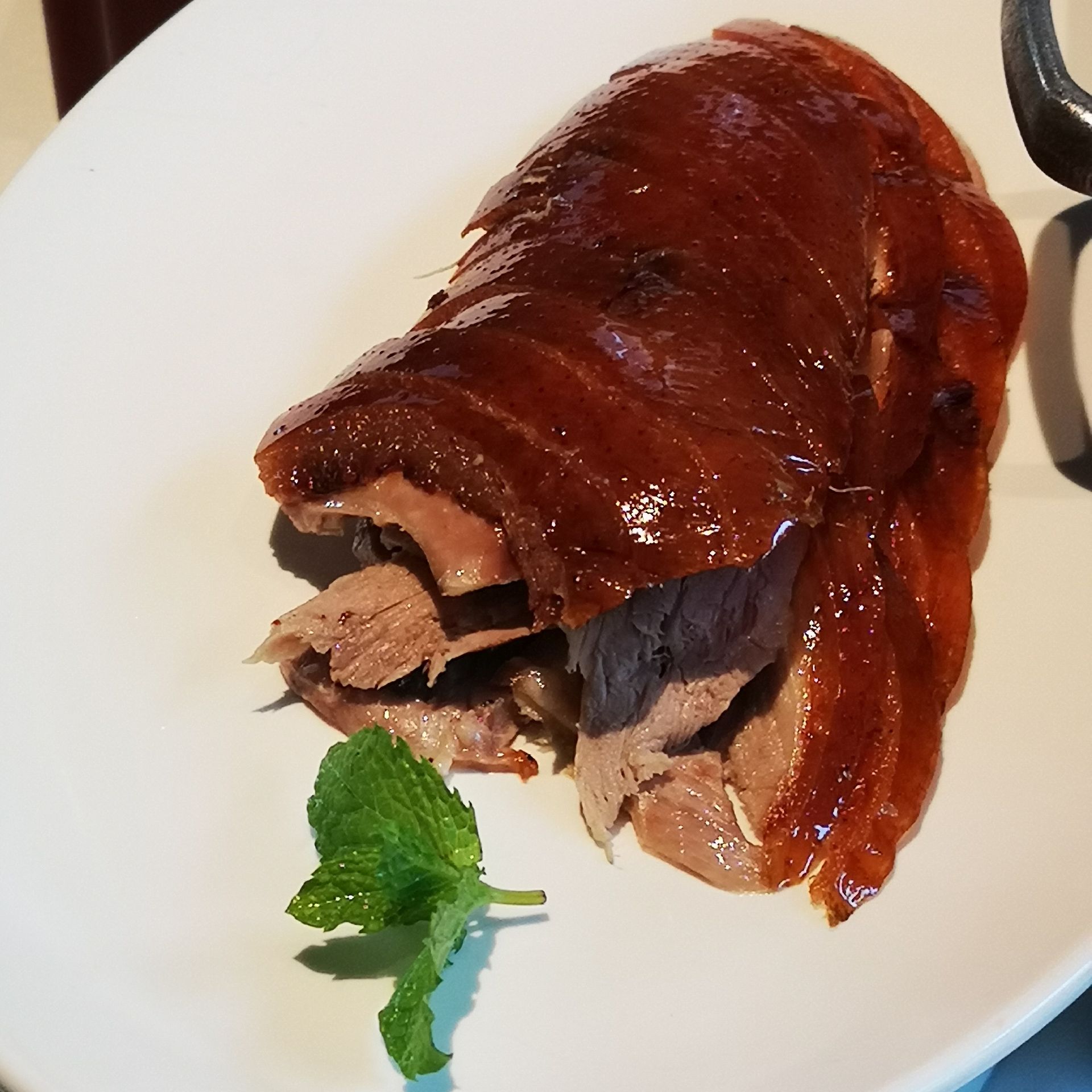
Each city has more or less its own specialty, Peking duck in Beijing or Xiaolongbao in Nanxhun, moreover in the latter, it is very difficult to find them for sale in the West, fresh, as made on site.
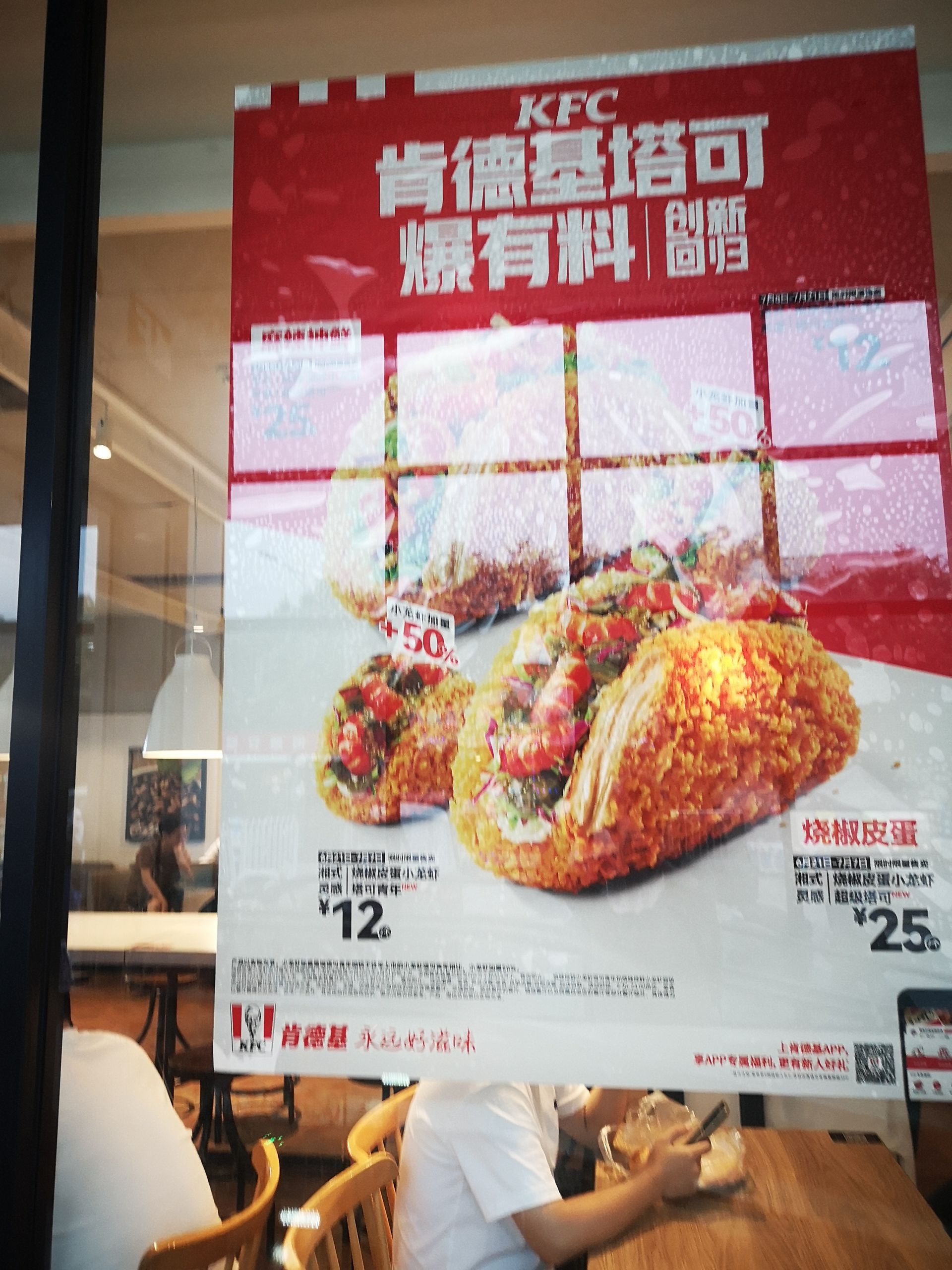
I did not expect to find any American brands on Chinese soil, but I was still able to observe that many brands such as McDonald's, KFC or Starbucks were present despite the economic rivalry between China and the USA.
Don't expect to find hypermarkets like Carrefour or Auchan (which, incidentally, left the country around 2020); most food shops are convenience stores or mini-markets where you can find fresh produce. Here too, payment is entirely done via your mobile phone.
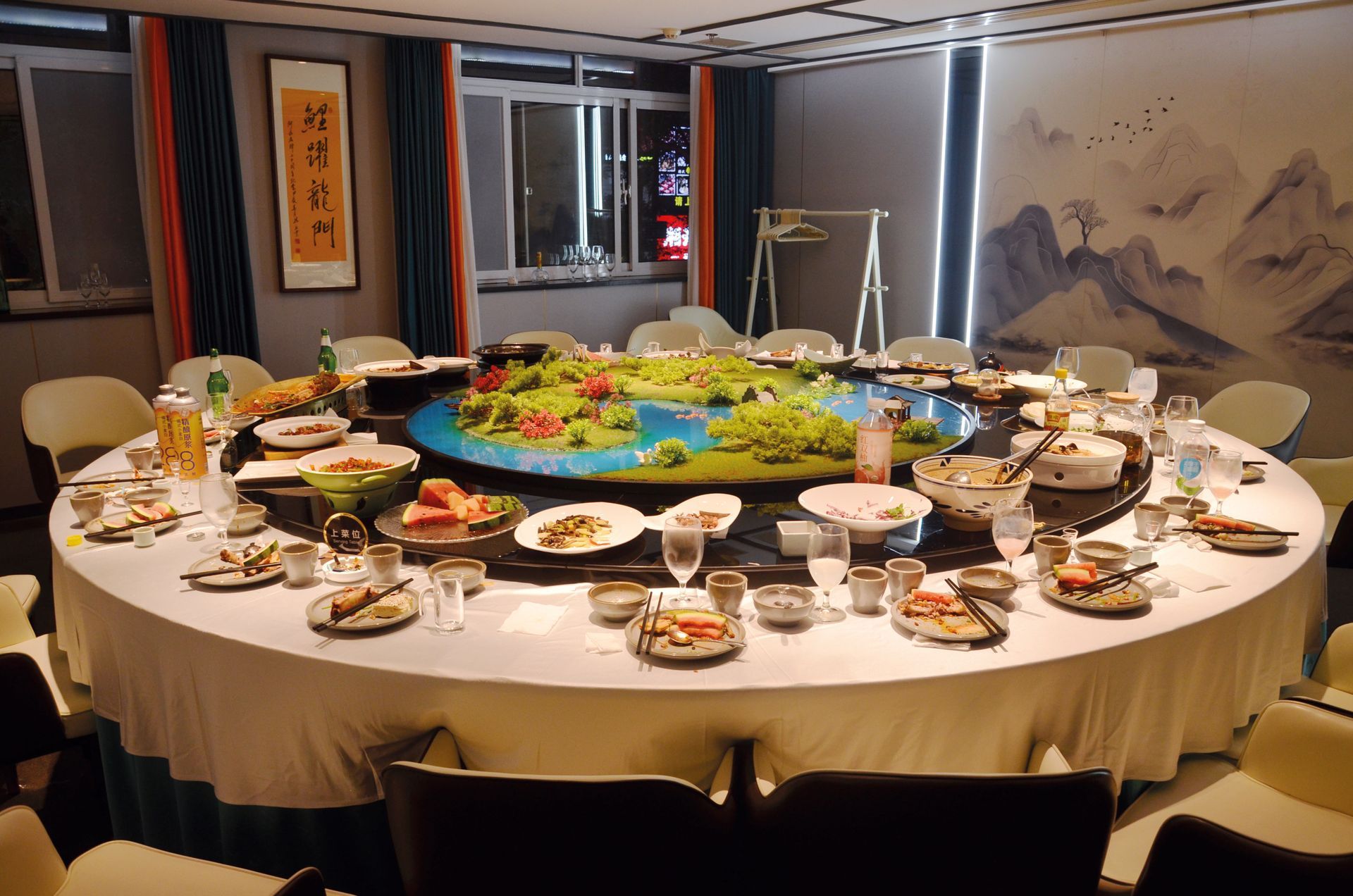
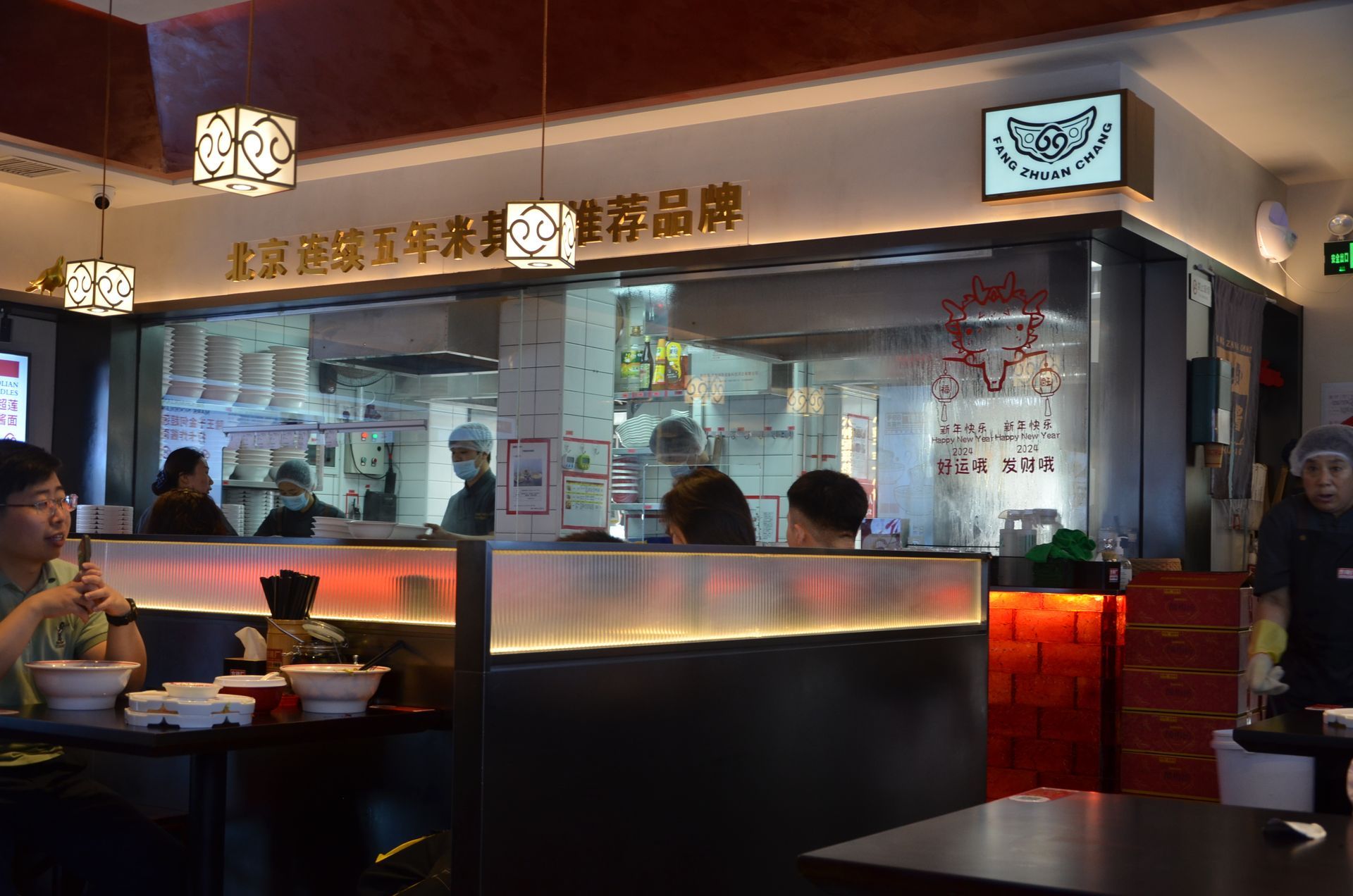
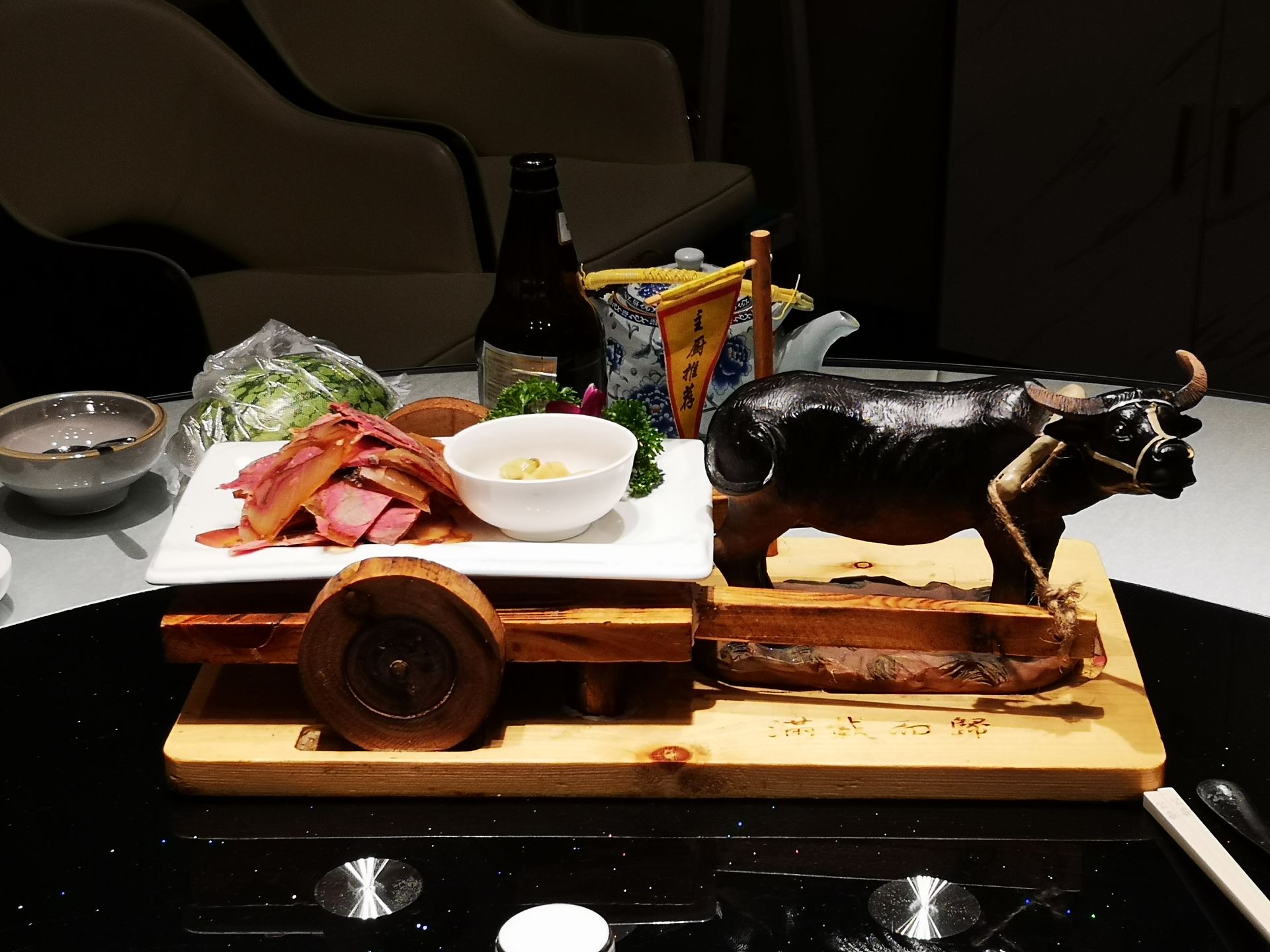
As for restaurants, I don't think I've found many places where the kitchens are separate, tucked away in a corner of the establishment. You can watch the chefs preparing the dishes, separated by a glass partition, and admire the spectacle of the food creation process. If you need to be alone with close friends or have a business lunch, some restaurants have a separate room, uniquely featuring a huge, sometimes decorated, round table that you can rotate to serve the dishes everyone has chosen—very convivial and practical when the number of guests reaches a certain size.
Hospitality
Of most of the hotels where my family and friends stayed, the quality was top-notch. That's to be expected for 4 or 5-star hotels, but don't expect to break the bank, because even for this level of quality, the prices remain affordable (€60 to €80 per night). The rooms are spacious and very well-equipped.
As soon as you step through your room door, the curtains open automatically to let you enjoy the view. The TV turns on and welcomes you in Chinese, then displays the current weather. The TV is no longer just a TV; it's a combined computer-TV. You can request anything by voice, and it might even be delivered by a robot bellhop who will ring your doorbell (see the video below). This bellhop waits patiently at the hotel entrance, receives requests made by the guest online via their mobile phone, takes the elevator, goes to their door, notifies them with a ring on their mobile phone, the guest opens the bellhop's container, and returns to their original seat once the delivery is complete.
However, there are no Western channels or programs, only CCTV's Chinese thematic channels on news, history, home shopping, children's programming, etc... Even if you think someone can help you in the hotel by speaking to them in English (forget French), take out your translator to have a conversation that doesn't end up as a game of charades.
Normally, you should be able to find something to your liking for breakfast. Obviously, you'll find what you'd expect to find in China, but depending on the establishment, you might also find pastries and coffee.
Ecology
Upon arriving in Shanghai, our destination and the starting point for our exploration of this vast country—the third largest in the world—I noticed wide roads, used by large sedans, mostly Chinese and electric. I was already surprised by this focus on environmental responsibility in this country. During our journey to our apartment in the city center, a high-speed train followed our route, stopping at the metro stations for passengers. This hyper-mobility I observed here made me reflect on what I see in Europe, a very well-designed network to help millions of people get around.
In the streets, given the intense heat, as it was in June when I was there, many women, like in Japan, carry umbrellas or parasols to protect themselves from the blazing sun. Also, some municipalities in certain areas have opted to plant trees, such as plane trees imported from France, to mitigate the heat. And to reduce the heat for road workers, misting systems are installed on the barriers surrounding their work area; a clear recognition of the arduous nature of their work.
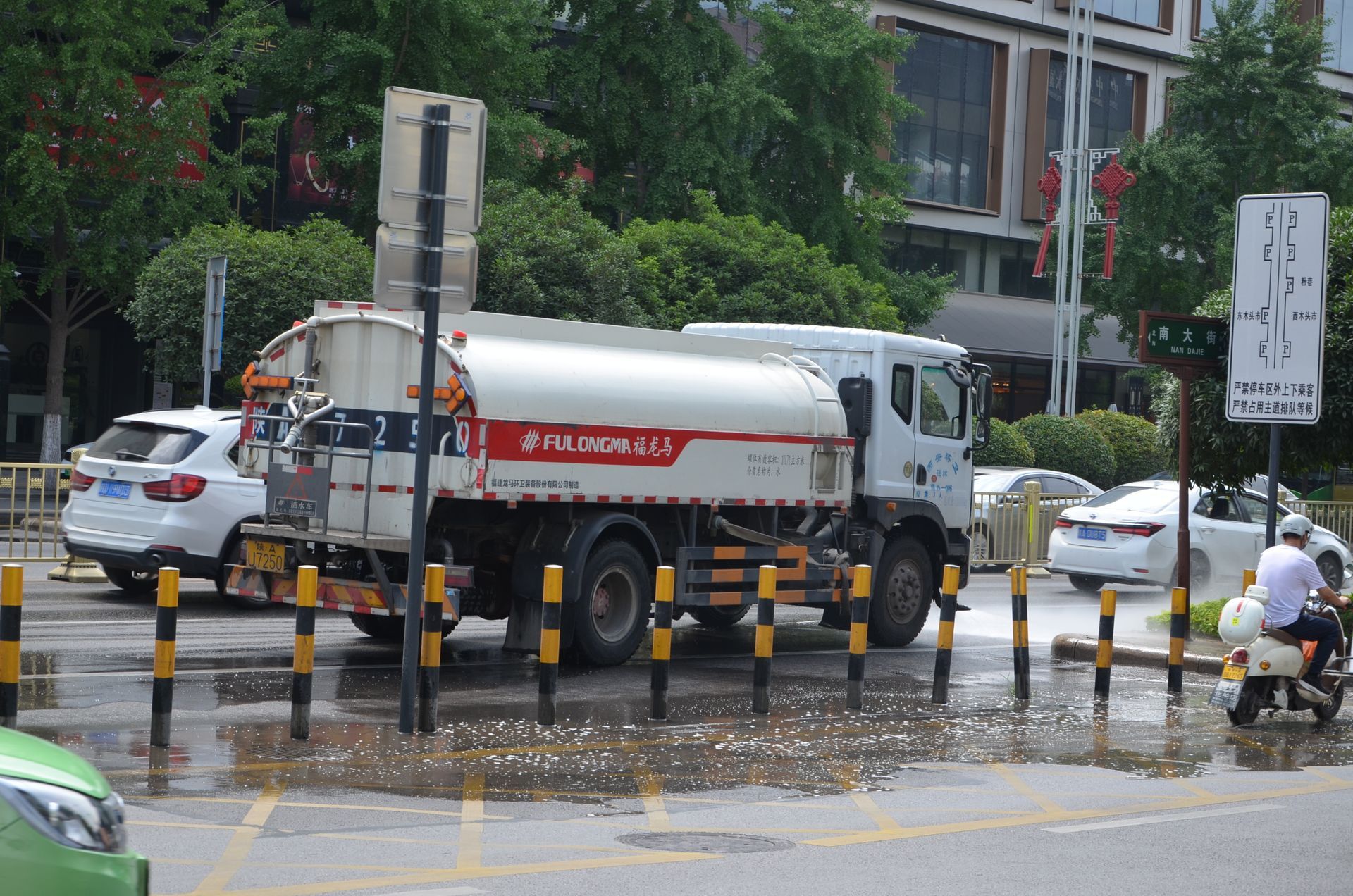
In Xi'an, the municipality has also decided to water the asphalt during periods of intense heat to cool the air. This is yet another example of growing environmental awareness, with solutions that are only now beginning to be developed in France and Europe.
During my travels, I also noticed that wind farms are particularly well-developed in the country, sometimes with dozens of turbines spread over dozens of kilometers. Well, let's be honest, there are also a few nuclear power plants between these wind farms. They've opted for an energy mix.
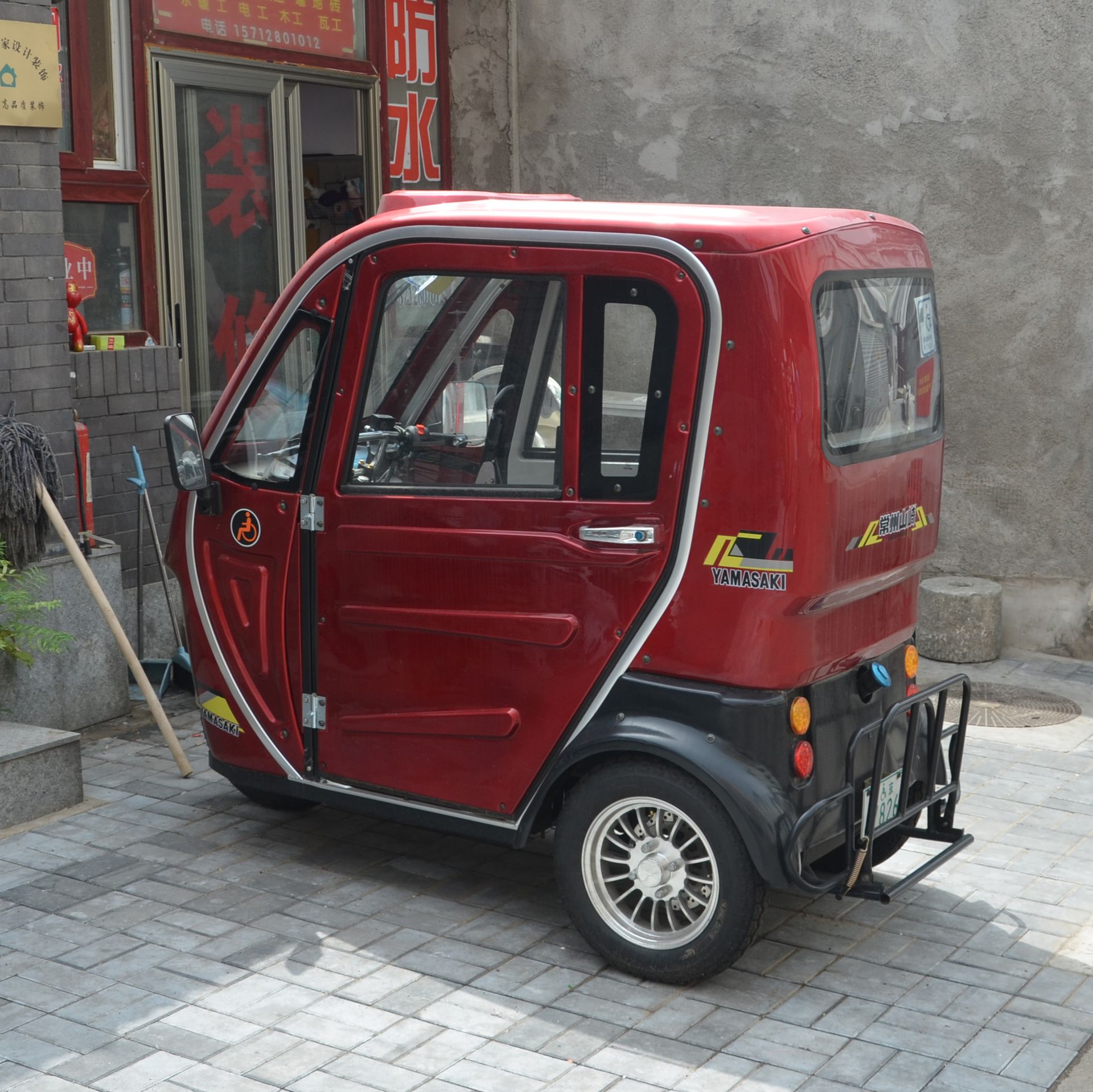
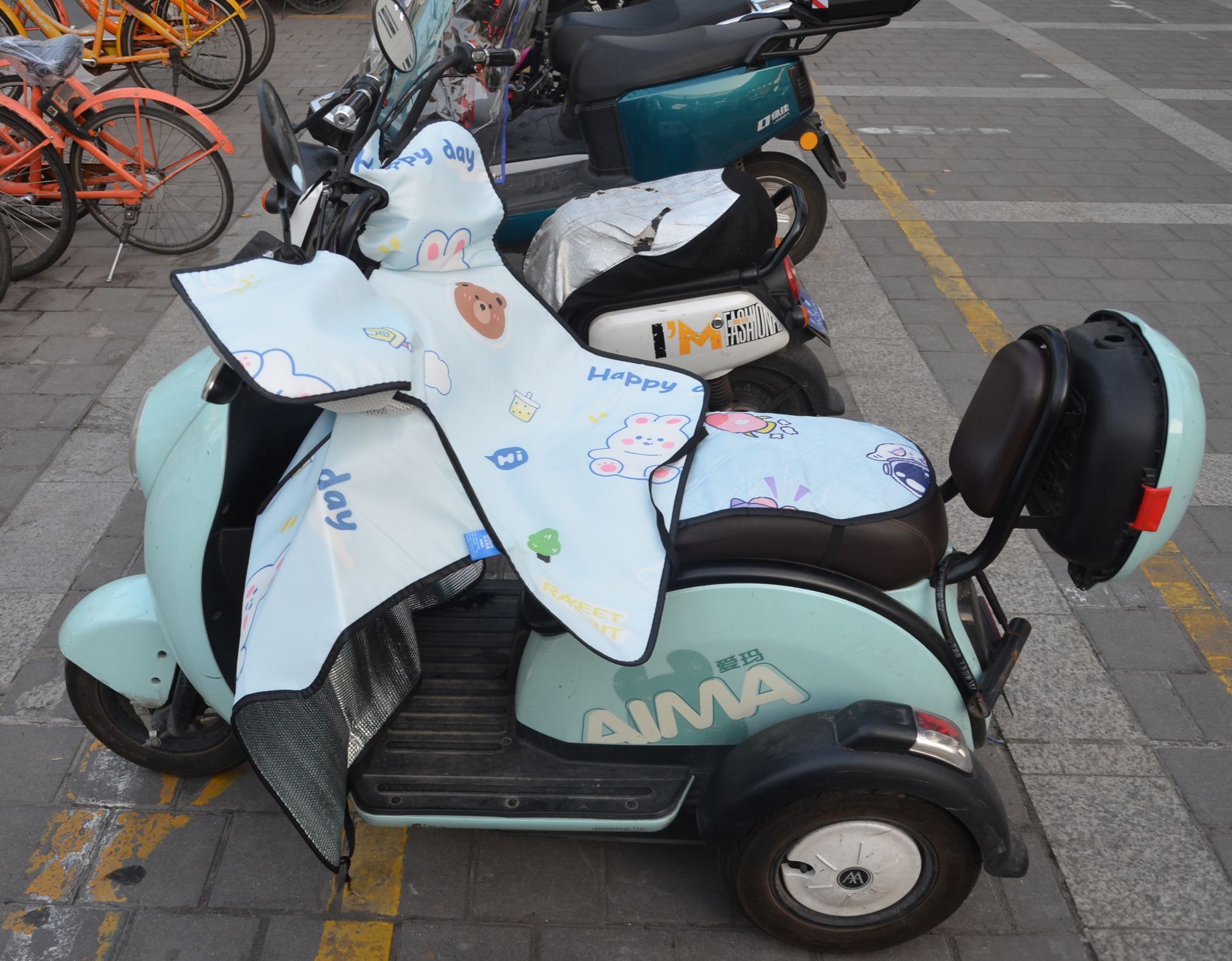
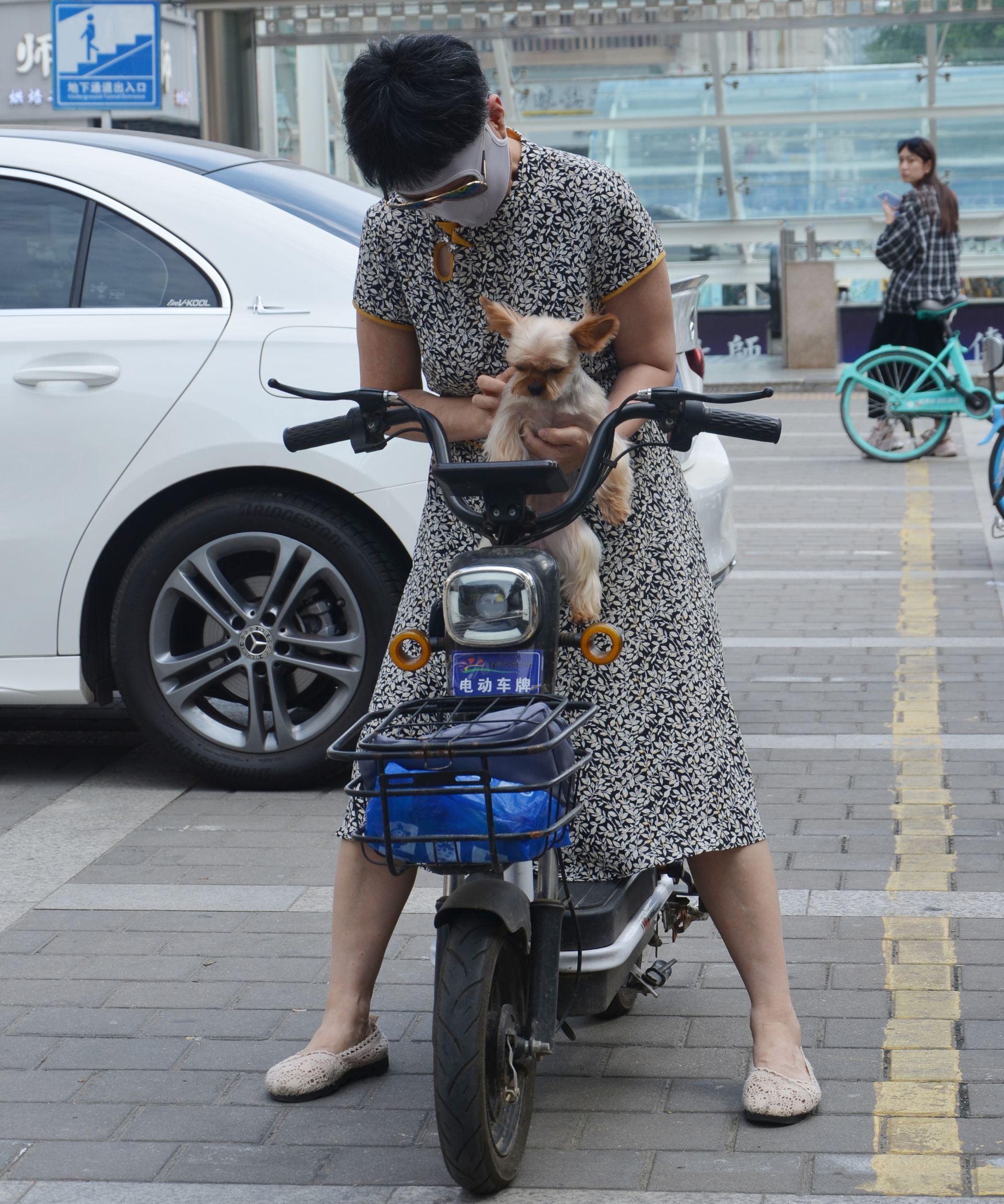
The hundreds of bicycles that were regularly featured in Western news reports in the past are no longer the majority of two-wheelers we see. Here too, electric vehicles have finally won the market. Now it's electric scooters, like Vespas, that make the road quieter, healthier, and more pleasant for users, and they're also quite inexpensive: €300. In France, for the same price you can get a kick scooter... but not the same level of comfort. Be careful though, because they weave through traffic so quietly, you might be surprised to see these scooters pass you by without hearing them. Fortunately, the riders are in control of the handlebars. Because they're used daily, and due to the weather, most of these two-wheelers are equipped with rain or cold-weather covers, giving each one a distinct look.
Sport
Football, badminton, and table tennis are by far the most popular sports, and it's not uncommon to see young people sporting jerseys of European football league players. This demonstrates the Chinese people's interest in the world's most popular sport. But as we saw during the 2024 Paris Olympics, Chinese men and women try to participate in all sports, aiming to become the best in the world in certain disciplines.